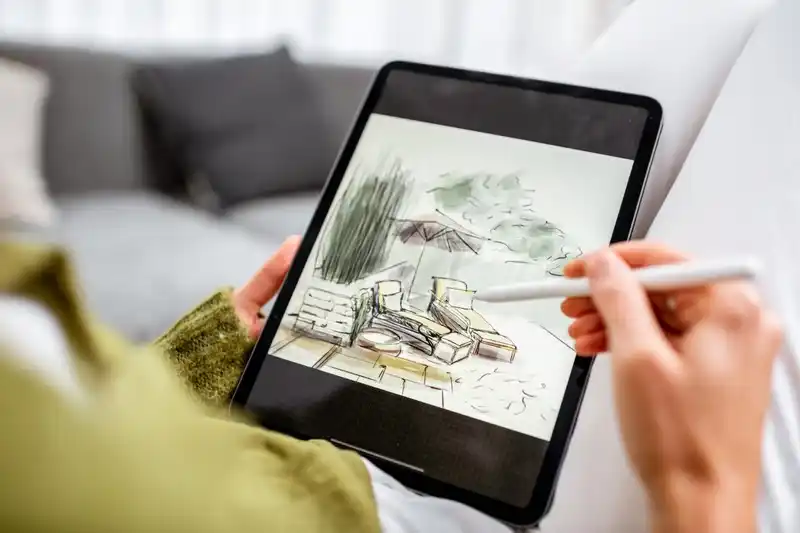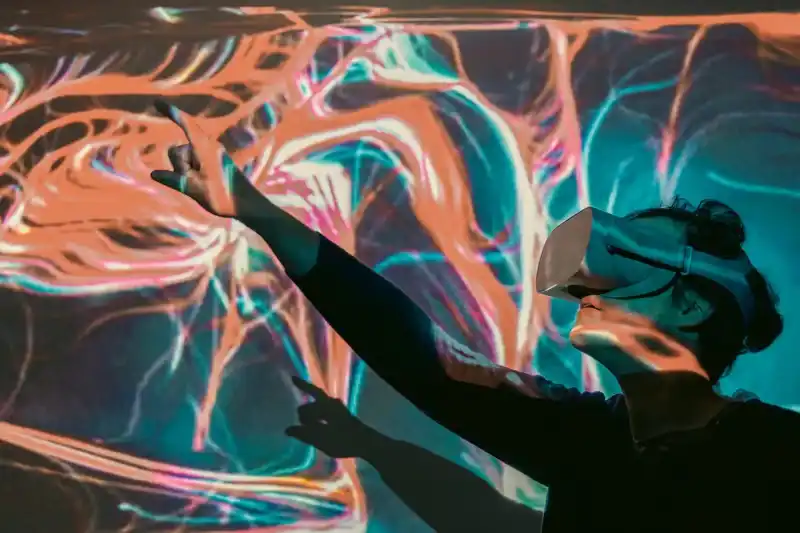
The world of art has undergone a remarkable transformation over the past two decades. What once required physical canvases, paintbrushes, and studio spaces can now be created on tablets, computers, and even smartphones. As technology continues to evolve, artists are finding innovative ways to express their creativity through digital platforms. This shift has led to the rise of countless artistic approaches, each contributing to the growing popularity of the modern digital art style.
Today, digital art is no longer viewed as a niche creative field. It powers industries worth billions of dollars, including gaming, film production, advertising, animation, publishing, web design, and social media content creation. According to recent creative industry reports, the global digital content market continues to expand rapidly as businesses and consumers increasingly embrace visual storytelling in digital environments.
The appeal of a digital art style lies in its flexibility. Artists can experiment with colors, textures, effects, and techniques without the limitations associated with traditional mediums. Whether creating realistic portraits, futuristic 3D environments, anime-inspired illustrations, or AI-assisted artwork, digital creators have access to an unprecedented range of creative possibilities.
Understanding the most popular digital art styles used today provides valuable insight into how modern creativity is evolving. It also helps aspiring artists identify trends, discover inspiration, and develop skills that align with current industry demands.
What Is a Digital Art Style?
A digital art style refers to the visual techniques, aesthetic choices, and creative approaches artists use when producing artwork through digital tools. Similar to traditional art styles such as Impressionism or Surrealism, digital styles help define the look, mood, and identity of an artwork.
The difference is that digital artists have access to advanced software, graphic tablets, artificial intelligence tools, and three-dimensional modeling programs. These technologies allow creators to experiment with countless visual effects and workflows that would be difficult or impossible to achieve through traditional methods.
Today, a digital art style can range from hyper-realistic illustrations to minimalist vector graphics, animated scenes, fantasy concept art, and immersive virtual reality experiences. The diversity of styles reflects the broad range of industries and audiences that rely on digital creativity.
Why Digital Art Continues to Grow in Popularity
The popularity of the modern digital art style is closely connected to technological advancement. Creative software has become more accessible, while online platforms provide artists with direct access to global audiences.
Social media networks, digital marketplaces, and online portfolios allow artists to showcase their work without relying solely on traditional galleries or publishers. This accessibility has encouraged millions of creators worldwide to explore digital illustration, graphic design, animation, and concept art.
Additionally, industries such as gaming, streaming media, virtual reality, and digital advertising require continuous visual content creation. As demand grows, the influence of the digital art style becomes increasingly significant across multiple sectors.
Realistic Digital Painting
One of the most respected forms of digital art style is realistic digital painting. This approach focuses on recreating lifelike subjects using digital tools while maintaining the appearance of traditional painting techniques.
Artists working in this style often create detailed portraits, landscapes, wildlife illustrations, and cinematic scenes. Advanced software allows them to simulate brush textures, lighting effects, and color blending with remarkable accuracy.
Realistic digital painting is widely used in publishing, advertising, entertainment, and fine art markets. Its popularity stems from its ability to combine traditional artistic principles with modern technological precision, creating visually stunning works that appeal to both artists and audiences.
Concept Art and Entertainment Design
Concept art represents one of the most commercially valuable forms of digital art style today. It plays a critical role in the development of films, video games, television productions, and animation projects.
Concept artists create visual representations of characters, environments, vehicles, creatures, and story elements before production begins. Their work helps directors, designers, and developers establish a project’s visual identity.
Major entertainment companies invest heavily in concept art because it serves as the foundation for creative decision-making. As the gaming and film industries continue expanding globally, concept art remains one of the most influential digital art styles in modern creative production.
Anime and Manga-Inspired Art
Anime-inspired artwork has become one of the most recognizable forms of digital art style worldwide. Originating from Japanese animation and comic traditions, this style has gained international popularity through streaming platforms, gaming culture, and social media.
Characterized by expressive faces, vibrant colors, dynamic compositions, and stylized proportions, anime art appeals to audiences of all ages. Many independent artists build successful careers by creating anime-inspired commissions, illustrations, and original characters.
The widespread popularity of anime culture ensures that this digital art style continues influencing global creative trends while inspiring new generations of artists to develop their skills.
Vector Art and Flat Design
Vector illustration represents a highly versatile digital art style used extensively in branding, marketing, web design, and mobile applications. Unlike pixel-based artwork, vector graphics maintain quality regardless of size, making them ideal for commercial applications.
This style often features clean lines, geometric shapes, bold colors, and minimalist aesthetics. Businesses frequently choose vector illustrations because they communicate ideas clearly while maintaining visual consistency across multiple platforms.
As digital marketing continues evolving, vector-based artwork remains one of the most practical and widely used digital styles in professional design environments.
3D Digital Art and Modeling
Three-dimensional creation has revolutionized the modern digital art style landscape. Advances in software technology now allow artists to build highly realistic objects, characters, and environments that appear almost indistinguishable from reality.
3D artwork plays a crucial role in industries such as architecture, gaming, film production, product visualization, and virtual reality development. Artists use specialized tools to create detailed models, textures, lighting systems, and animations.
The growing demand for immersive experiences has increased interest in 3D art, making it one of the fastest-growing and most commercially valuable digital creative disciplines today.
Pixel Art and Retro Gaming Aesthetics
Despite rapid technological advancement, older artistic techniques continue influencing modern creativity. Pixel art remains a beloved digital art style because of its nostalgic connection to early video games and computer graphics.
Artists intentionally create images using visible pixels to achieve a retro appearance. While the style originated from technical limitations, it has evolved into a respected artistic choice celebrated for its simplicity and charm.
Independent game developers frequently use pixel art because it offers distinctive visual appeal while requiring fewer resources than highly realistic graphics. This enduring popularity demonstrates how creativity often transcends technological constraints.
Abstract Digital Art
Abstract creativity has found new life through the modern digital art style. Digital tools allow artists to experiment with colors, shapes, textures, and visual effects in ways that traditional mediums sometimes cannot replicate.
Abstract digital artworks often focus on emotion, movement, and conceptual exploration rather than realistic representation. Artists may use generative algorithms, layering techniques, or custom brushes to create unique compositions.
This style appeals to collectors, designers, and businesses seeking visually engaging imagery that sparks imagination while remaining open to individual interpretation.
Surreal and Fantasy Digital Art
Fantasy and surrealism continue to inspire some of the most visually captivating forms of digital art style. Artists in this category create imaginative worlds that blend reality with dreamlike or mythical elements.
These works often feature magical landscapes, futuristic cities, extraordinary creatures, and impossible architectural structures. Digital technology enables artists to combine multiple visual techniques seamlessly, resulting in highly immersive imagery.
The popularity of fantasy literature, gaming, and cinematic franchises has contributed significantly to the growth of this artistic approach across global creative communities.
AI-Assisted Digital Art
Artificial intelligence has emerged as one of the most discussed developments within the digital art style landscape. AI-powered tools allow artists to generate concepts, enhance images, and experiment with creative possibilities at unprecedented speed.
Rather than replacing human creativity, many professionals use AI as a collaborative tool that supports ideation and workflow efficiency. Artists often combine AI-generated elements with traditional digital techniques to produce original works.
As technology continues evolving, AI-assisted creation is becoming an increasingly influential component of modern digital artistry and creative experimentation.
Social Media’s Impact on Digital Art Styles
Social media platforms have significantly shaped the evolution of the modern digital art style. Artists now receive immediate feedback from global audiences, allowing trends to spread faster than ever before.
Platforms such as Instagram, TikTok, and online art communities encourage visually striking content designed to capture attention quickly. This environment has influenced artistic choices, color palettes, and presentation techniques.
The result is a constantly evolving creative ecosystem where digital artists adapt rapidly to changing audience preferences while maintaining their unique artistic identities.
The Importance of Finding Your Own Digital Art Style
While understanding popular trends is valuable, successful artists often emphasize the importance of developing a unique digital art style. Personal style helps creators stand out in increasingly competitive markets and build recognizable artistic brands.
Developing a distinct voice typically involves studying various techniques, experimenting with different approaches, and refining visual preferences over time. Most professional artists draw inspiration from multiple sources while creating something uniquely their own.
The most memorable digital creators are often those who balance technical skill with originality, producing work that reflects both current trends and personal expression.
How Businesses Use Digital Art Styles Today
The influence of the digital art style extends far beyond entertainment and fine art. Businesses increasingly rely on digital visuals to strengthen branding, engage customers, and communicate complex ideas effectively.
Marketing campaigns, product packaging, website design, educational materials, and social media content frequently incorporate customized digital artwork. Companies recognize that compelling visuals improve engagement and help establish emotional connections with audiences.
As digital communication continues dominating modern business environments, the demand for skilled digital artists and innovative visual styles is expected to remain strong.
The Future of Digital Art Style Trends
The future of the digital art style industry appears exceptionally promising. Emerging technologies such as virtual reality, augmented reality, artificial intelligence, and immersive media continue creating new opportunities for creative exploration.
Artists are increasingly working across multiple disciplines, combining illustration, animation, interactive design, and storytelling into unified experiences. This interdisciplinary approach reflects broader changes in how audiences consume and interact with visual content.
Industry experts predict that digital art will become even more integrated into everyday life, influencing education, entertainment, commerce, healthcare, and communication in ways that are only beginning to emerge.
Conclusion
The modern digital art style landscape is more diverse, innovative, and accessible than ever before. From realistic painting and concept art to anime illustration, vector graphics, 3D modeling, and AI-assisted creation, today’s artists have countless ways to express their ideas.
These styles reflect not only technological advancement but also changing cultural preferences and industry demands. As digital platforms continue reshaping how art is created and shared, new styles will undoubtedly emerge while existing techniques continue evolving.
For aspiring artists, understanding popular digital art styles provides valuable inspiration and career insight. For audiences, it offers a deeper appreciation of the creativity shaping modern visual culture. The future of digital art promises exciting possibilities, and its influence on global creativity will only continue to grow.
Frequently Asked Questions
What is a digital art style?
A digital art style refers to the visual appearance, techniques, and creative methods used when producing artwork through digital tools. It can include realistic painting, anime illustration, vector graphics, concept art, 3D modeling, abstract compositions, and many other approaches that define an artist’s visual identity.
Which digital art style is most popular today?
There is no single dominant digital art style, but concept art, anime-inspired illustrations, realistic digital painting, and 3D artwork are among the most widely used. Their popularity is driven by strong demand from industries such as gaming, entertainment, advertising, and digital media production.
Can beginners develop their own digital art style?
Yes, beginners can gradually develop a unique digital art style through consistent practice, experimentation, and study. Most artists explore multiple techniques before discovering the visual elements that best represent their creative preferences and artistic goals.
How is AI affecting digital art styles?
Artificial intelligence is influencing the digital art style landscape by helping artists generate concepts, automate tasks, and explore creative possibilities. Many professionals use AI as a supportive tool rather than a replacement for artistic skill, combining technology with human creativity.
Why is digital art important in modern industries?
A digital art style plays a crucial role in modern industries because visual communication drives engagement across websites, advertising campaigns, social media, gaming, entertainment, and education. High-quality digital artwork helps businesses attract audiences, strengthen branding, and communicate messages more effectively.