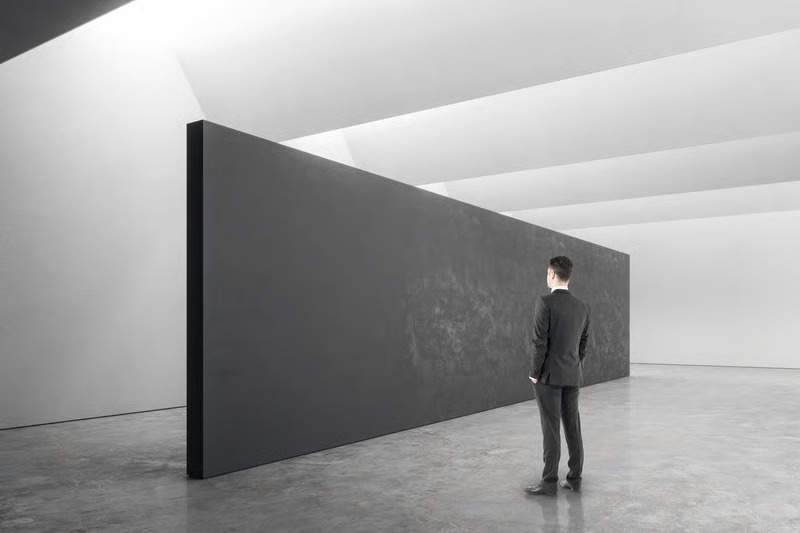
Art has always reflected the world around us. From prehistoric cave paintings to Renaissance masterpieces and modern digital installations, artists have continuously interpreted society, culture, and human emotions through creative expression. Today, the artistic landscape is more diverse and dynamic than ever before. Technology, globalization, environmental concerns, social movements, and cultural exchange have transformed how artists create and how audiences experience art. At the center of this transformation are contemporary art movements, which continue to redefine the boundaries of creativity in the twenty-first century.
Unlike traditional art periods that often followed specific styles or geographic regions, contemporary art movements are characterized by diversity, experimentation, and interdisciplinary approaches. Artists are no longer confined to paint and canvas. They work with digital media, artificial intelligence, virtual reality, recycled materials, performance art, and immersive experiences. This evolution reflects a broader shift in society, where innovation and connectivity influence nearly every aspect of life.
For collectors, students, art enthusiasts, and creative professionals, understanding contemporary art movements is essential for appreciating how modern artists respond to current global challenges and opportunities. These movements provide valuable insight into the cultural conversations shaping our world while revealing how creativity continues to evolve in response to technological and social change.
What Are Contemporary Art Movements?
The term contemporary art movements refers to artistic styles, philosophies, and creative trends that have emerged from the late twentieth century through the present day. Unlike historical art periods with clearly defined timelines, contemporary movements often overlap, evolve rapidly, and interact with one another.
Contemporary art focuses less on strict aesthetic rules and more on concepts, experimentation, and personal expression. Artists frequently address issues such as identity, technology, environmental sustainability, globalization, politics, and social justice. These themes reflect modern society’s complexity and the interconnected nature of today’s world.
One of the defining characteristics of contemporary art movements is their openness to innovation. Artists are encouraged to challenge conventions, explore new mediums, and engage audiences in ways that traditional art forms may not have considered. This freedom has contributed to the extraordinary diversity that defines contemporary artistic practice today.
The Evolution of Contemporary Art
To understand contemporary art movements, it is helpful to consider how art evolved during the twentieth century. Movements such as Modernism, Abstract Expressionism, Pop Art, and Minimalism challenged traditional artistic norms and laid the foundation for contemporary experimentation.
As technology advanced and global communication expanded, artists gained access to new tools, ideas, and audiences. The internet revolutionized artistic collaboration and distribution, allowing creators from different cultures to exchange influences more easily than ever before.
This environment encouraged the emergence of contemporary art movements that prioritize innovation, inclusivity, and conceptual exploration. Rather than focusing solely on visual aesthetics, many contemporary artists seek to create experiences, provoke discussion, and inspire critical thinking.
Digital Art and Technology-Driven Creativity
Among the most influential contemporary art movements is the rise of digital art. Advances in software, computing power, and digital platforms have fundamentally changed how artists create and share their work.
Digital artists use tools such as graphic design software, 3D modeling programs, animation platforms, and artificial intelligence systems to produce innovative visual experiences. The growth of online galleries and social media has also expanded access to digital artworks, enabling artists to reach global audiences instantly.
The increasing integration of technology into everyday life makes digital creativity one of the most significant contemporary art movements of our era. It reflects how artistic expression adapts to technological innovation while challenging traditional definitions of art itself.
Immersive and Experiential Art
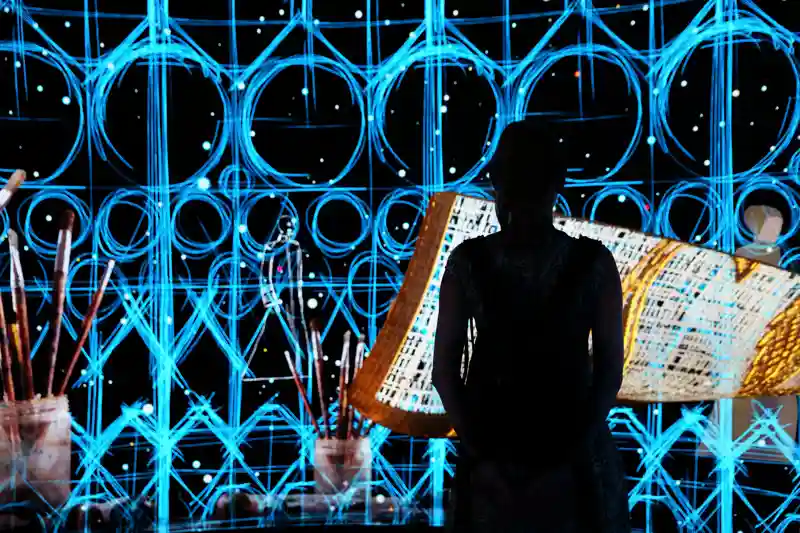
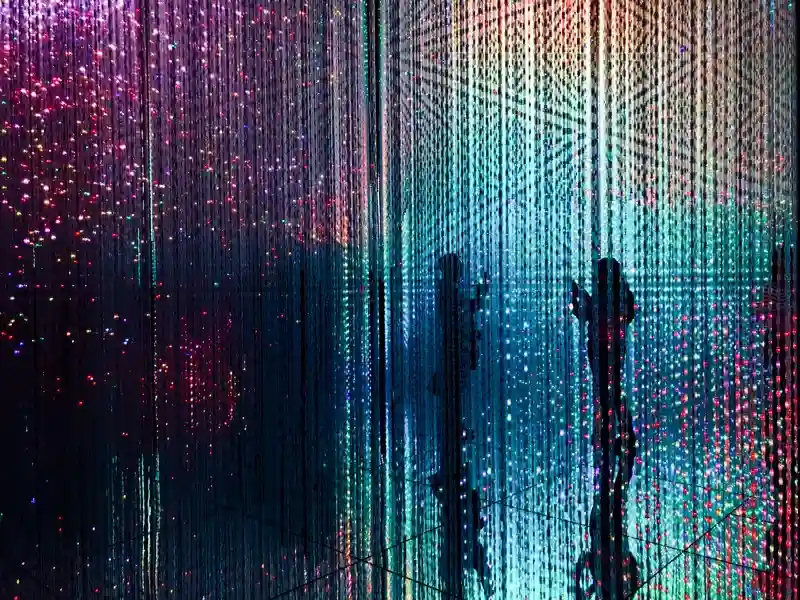
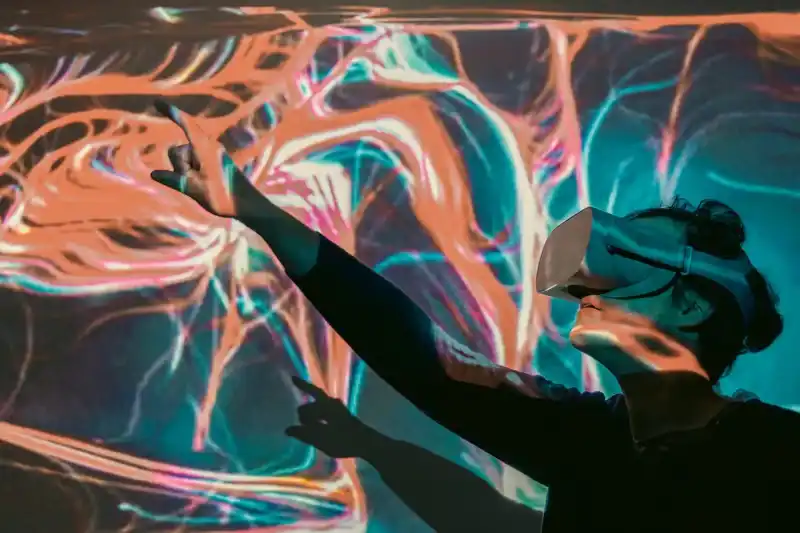
Another major trend within contemporary art movements is immersive art. Rather than simply observing artwork, audiences become active participants in the creative experience. Large-scale installations, projection mapping, interactive environments, and virtual reality exhibitions have transformed how people engage with art.
Immersive experiences often combine visual elements, sound, lighting, and technology to create emotionally engaging environments. These exhibitions attract diverse audiences because they offer memorable and highly interactive experiences.
Museums and galleries worldwide have increasingly embraced immersive formats, reflecting broader changes in audience expectations. As a result, experiential creativity has become one of the most visible and commercially successful contemporary art movements in recent years.
Environmental Art and Sustainability
Environmental concerns have become central themes within many contemporary art movements. As climate change, biodiversity loss, and sustainability challenges gain global attention, artists are using their work to encourage awareness and inspire action.
Environmental artists often incorporate natural materials, recycled objects, or site-specific installations that interact directly with landscapes and ecosystems. Their work explores humanity’s relationship with nature while highlighting environmental issues that affect communities worldwide.
Research indicates growing public interest in sustainability-focused cultural initiatives. This trend has elevated environmental art into one of the most socially relevant contemporary art movements, demonstrating how creativity can contribute to important global conversations.
Socially Engaged Art and Activism
Many contemporary art movements prioritize social engagement and community participation. Artists increasingly use creative practice to address topics such as equality, representation, migration, human rights, and social justice.
Unlike traditional studio-based approaches, socially engaged artists often collaborate directly with communities. Their projects may involve public installations, workshops, performances, or participatory events designed to encourage dialogue and collective action.
This movement reflects a growing belief that art can play an active role in shaping society. By addressing real-world issues, socially engaged artists demonstrate the power of creativity as a tool for communication and change.
Identity and Cultural Expression in Contemporary Art
Questions of identity have become central to many contemporary art movements. Artists explore themes related to gender, ethnicity, nationality, religion, and personal experience to challenge stereotypes and promote diverse perspectives.
Globalization has expanded opportunities for cultural exchange, allowing artists to share stories that reflect unique backgrounds and experiences. This diversity enriches contemporary art by introducing new narratives and expanding traditional artistic boundaries.
Through these explorations, contemporary art movements help audiences better understand the complexities of identity in an increasingly interconnected world. They encourage empathy, dialogue, and appreciation for cultural diversity.
Street Art’s Influence on Modern Creativity
Street art has evolved from an underground movement into a respected and influential component of contemporary art movements. Once associated primarily with graffiti, street art now encompasses murals, installations, public interventions, and large-scale urban projects.
Cities around the world have embraced street art as a means of cultural revitalization and public engagement. Artists use urban spaces as canvases to communicate messages, challenge authority, and celebrate community identity.
The growing acceptance of street art highlights how contemporary art movements continue to blur the boundaries between institutional and public artistic expression. It demonstrates that creativity can thrive beyond traditional gallery settings.
Artificial Intelligence and the Future of Art
Artificial intelligence has emerged as one of the most debated developments within contemporary art movements. AI-generated artworks challenge conventional ideas about creativity, authorship, and artistic value.
Artists are increasingly using machine learning algorithms to generate images, music, and interactive experiences. These collaborations between humans and technology raise important questions about the nature of artistic creation and the future role of artists.
As AI technology continues to evolve, its influence on contemporary art movements is likely to grow. This development represents one of the most significant intersections between technology and creativity in modern history.
Globalization and Cross-Cultural Influences
Global connectivity has transformed the artistic landscape by enabling unprecedented cultural exchange. Many contemporary art movements reflect influences from multiple regions, traditions, and artistic practices.
Artists today can access global audiences, collaborate internationally, and draw inspiration from diverse cultural sources. This interconnectedness has contributed to the emergence of hybrid artistic styles that transcend geographic boundaries.
The impact of globalization demonstrates how contemporary art movements mirror broader social and economic trends. Artistic innovation increasingly emerges from cross-cultural dialogue rather than isolated regional traditions.
The Role of Contemporary Art in Mental Health Conversations
Mental health awareness has become an important theme within contemporary art movements. Many artists use creative expression to explore emotional experiences, psychological challenges, and personal resilience.
Art therapy research highlights the therapeutic benefits of creative activities, while contemporary artists often address mental health topics through installations, performances, and visual narratives. These works encourage open discussion and reduce stigma surrounding psychological well-being.
As society places greater emphasis on mental health, artistic engagement with these themes continues to grow. This trend reflects the broader social relevance of contemporary creative practices.
Contemporary Art and the Influence of Social Media
Social media has significantly reshaped the visibility and accessibility of contemporary art movements. Platforms such as Instagram, TikTok, and online galleries allow artists to share their work directly with audiences worldwide.
This democratization of exposure has reduced traditional barriers to entry within the art world. Emerging artists can build global followings without relying exclusively on galleries or institutions.
Social media has also influenced artistic styles, encouraging visually engaging content designed for digital consumption. As a result, online platforms have become powerful forces shaping the evolution of contemporary creativity.
Why Contemporary Art Movements Matter Today
The significance of contemporary art movements extends far beyond aesthetics. These movements provide valuable insights into societal values, technological change, environmental concerns, and cultural transformation.
Art serves as a mirror that reflects both individual experiences and collective realities. Contemporary artists capture the challenges and opportunities of modern life while encouraging audiences to think critically about the world around them.
By engaging with contemporary art movements, viewers gain a deeper understanding of current social issues, emerging technologies, and evolving cultural identities. This makes contemporary art an important component of modern intellectual and cultural discourse.
The Future of Contemporary Art Movements
Looking ahead, contemporary art movements are likely to become even more interdisciplinary and technology-driven. Virtual reality, augmented reality, blockchain technology, and artificial intelligence will continue influencing how art is created, distributed, and experienced.
At the same time, artists will likely maintain strong engagement with social, environmental, and cultural issues. As global challenges evolve, creative responses will remain essential tools for reflection and communication.
The future of art will probably be defined by increased collaboration between disciplines, cultures, and technologies. This ongoing evolution ensures that contemporary creativity remains dynamic, relevant, and impactful.
Conclusion
Understanding contemporary art movements is essential for anyone interested in the cultural forces shaping modern society. From digital innovation and immersive experiences to environmental activism and identity exploration, these movements reflect the complexities of our rapidly changing world.
Contemporary artists continue pushing boundaries, challenging assumptions, and creating new ways for audiences to engage with ideas. Their work demonstrates that art remains a powerful vehicle for communication, innovation, and social reflection.
As technology advances and global connections deepen, contemporary art movements will continue evolving in exciting and unexpected directions. For audiences, collectors, and creators alike, exploring these movements offers valuable insight into the future of creativity and human expression.
Frequently Asked Questions
What are contemporary art movements?
Contemporary art movements are artistic trends and styles that have emerged from the late twentieth century to the present day. They focus on innovation, experimentation, social issues, technology, and cultural expression while often combining multiple disciplines and creative approaches to address modern themes.
Why are contemporary art movements important?
Contemporary art movements help society explore current issues, technological changes, and cultural developments. They provide artists with opportunities to address important topics while encouraging audiences to think critically about social, environmental, and political challenges shaping the modern world.
How has technology influenced contemporary art?
Technology has transformed contemporary art movements through digital creation tools, virtual reality, artificial intelligence, and online platforms. Artists can now experiment with new mediums, reach global audiences, and create interactive experiences that redefine traditional artistic practices and audience engagement.
What themes are common in contemporary art movements?
Many contemporary art movements focus on identity, globalization, environmental sustainability, social justice, mental health, technology, and cultural diversity. These themes reflect current societal concerns and demonstrate how artists use creativity to engage with important modern issues.
How can beginners learn about contemporary art movements?
Beginners can explore contemporary art movements by visiting museums, attending exhibitions, reading art publications, following artists online, and participating in cultural events. Engaging with diverse artistic perspectives helps develop a deeper understanding of contemporary creativity and its significance in today’s world.