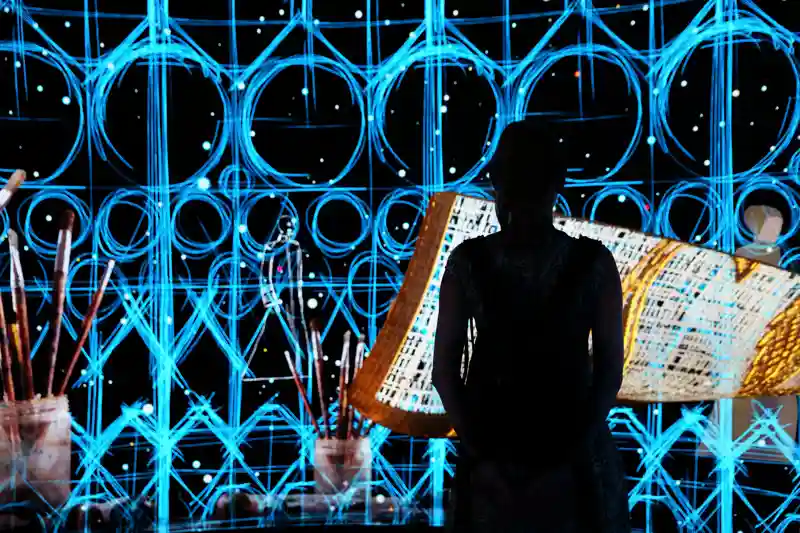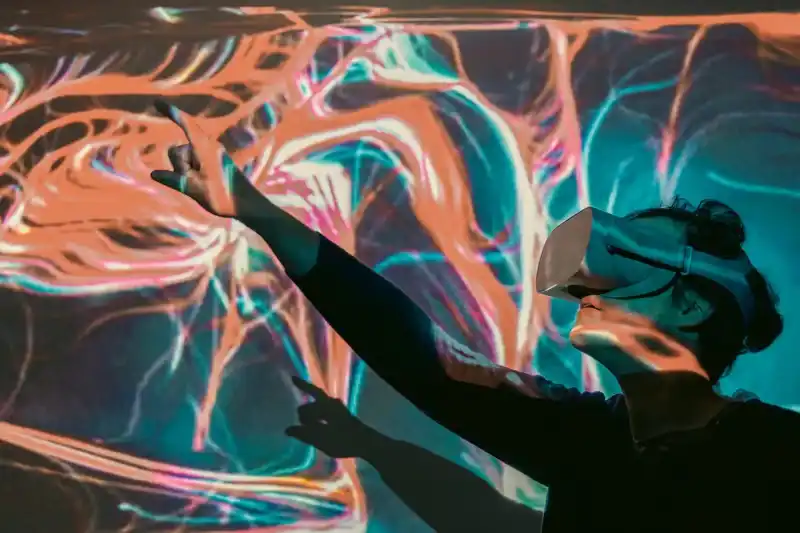
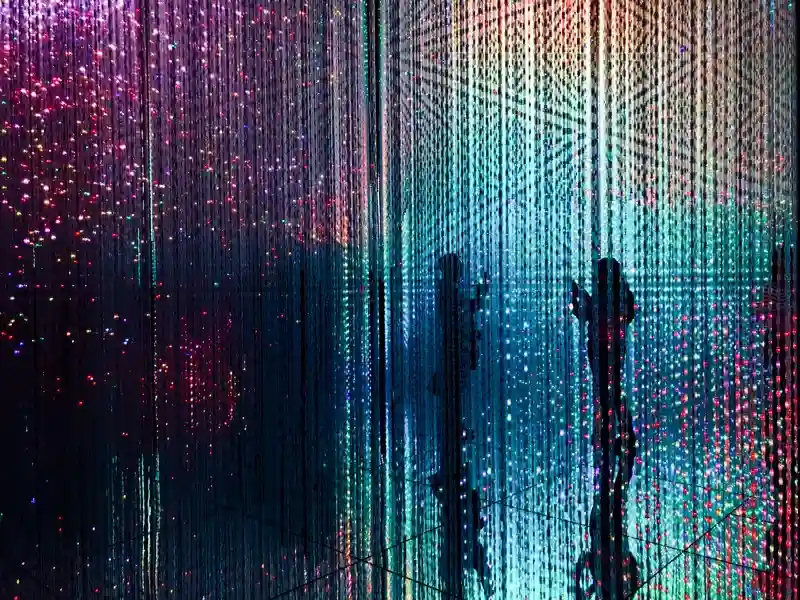
Art has changed in ways that feel almost unreal compared to traditional galleries. Today, visitors do not just look at paintings. They step inside them. This shift has given rise to immersive art exhibits, where light, sound, motion, and space work together to create a full sensory experience.
Unlike static museums, these spaces surround the viewer. Walls move with projections, floors respond to steps, and entire rooms shift in color and mood. Many people describe the experience as being inside the artwork itself rather than observing it from a distance.
The growing popularity of immersive art exhibits shows how audiences now want a deeper emotional connection with art. Instead of quiet observation, people want interaction, storytelling, and movement that make them feel part of the creative process.
The Rise of Immersive Art Experiences
The rise of immersive art exhibits is closely linked to digital technology and changing audience expectations. Traditional galleries often feel passive, while modern audiences prefer engagement. Artists and technologists have responded by blending projection mapping, virtual reality, and spatial sound design.
These environments often use large-scale digital walls and synchronized audio to create a sense of depth. Visitors walk through stories rather than simply viewing them. This shift has made art more accessible to people who may not normally visit museums.
Another reason for their popularity is the emotional connection. Many immersive art exhibits are designed to trigger memory, curiosity, and wonder. Instead of interpreting a painting alone, visitors experience a shared journey that feels personal and memorable.
teamLab and Digital Nature Worlds
One of the most famous names in immersive art exhibits is teamLab, a Japanese art collective known for creating interactive digital environments. Their exhibitions blur the line between technology and nature in a visually stunning way.
teamLab Borderless Tokyo
teamLab Borderless in Tokyo is often described as a world without maps. Visitors move through glowing rooms filled with flowing waterfalls, digital flowers, and shifting light patterns. The artwork is not fixed, meaning it moves between rooms and changes constantly.
This dynamic environment makes every visit different. It is one of the clearest examples of how immersive art exhibits can create living, evolving spaces rather than static displays.
teamLab Planets
teamLab Planets offers a more physical experience where visitors walk through water, soft landscapes, and mirrored spaces. The boundaries between body and artwork disappear, creating a strong sensory connection.
The experience highlights how immersive art exhibits can engage touch, movement, and emotion all at once, making visitors feel like active participants.
Van Gogh Immersive Exhibitions
Among the most widely recognized immersive art exhibits are Van Gogh digital exhibitions. These shows reinterpret the works of Vincent van Gogh through large-scale projections and soundscapes.
Digital Interpretation of Classics
Instead of viewing paintings on a wall, visitors are surrounded by moving versions of “Starry Night,” “Sunflowers,” and other masterpieces. The brush strokes appear to come alive, flowing across walls and floors.
This approach allows audiences to experience Van Gogh’s emotional world in a more direct way. It helps people understand not just what he painted, but how he may have felt while creating his art.
Global Popularity
These immersive art exhibits have toured cities across Europe, Asia, and the Americas. Their popularity shows how classic art can be reintroduced to modern audiences through technology without losing its emotional depth.
Atelier des Lumières and European Innovation
Paris has become a central hub for immersive art exhibits, especially with venues like Atelier des Lumières. This space uses massive industrial walls to project moving artworks.
A New Way to Experience Fine Art
Atelier des Lumières often features artists like Klimt, Monet, and Picasso. Instead of quiet viewing, visitors are surrounded by shifting light and sound that brings the artwork to life.
The scale of the projections creates a sense of being inside the painting itself. It is one of the strongest examples of how immersive art exhibits can reinterpret historical art for modern audiences.
Cultural Impact
This venue has influenced many similar exhibitions across Europe. It has shown that immersive experiences can attract younger audiences who may not typically engage with traditional museums.
Meow Wolf and Story Driven Art Spaces
In the United States, Meow Wolf has become one of the most creative names in immersive art exhibits. Unlike traditional exhibitions, Meow Wolf focuses heavily on storytelling and exploration.
Interactive Environments
Locations like “House of Eternal Return” in Santa Fe allow visitors to explore mysterious rooms, hidden passages, and surreal environments. Every corner reveals a new part of a larger narrative.
This makes Meow Wolf more like a living puzzle than a traditional gallery. It blends art, mystery, and exploration in a way that keeps visitors engaged for hours.
Expanding Creative Boundaries
Meow Wolf continues to expand across cities like Las Vegas and Denver. Each installation has its own unique story, showing how immersive art exhibits can evolve into long-form creative worlds.
ARTECHOUSE and Modern Digital Art
ARTECHOUSE is another major player in immersive art exhibits, focusing on the intersection of art, science, and technology. Its installations often include interactive visuals and responsive environments.
Visitors can influence the artwork through movement or touch, making the experience feel personal and dynamic. This level of interaction helps people feel directly connected to digital creativity.
ARTECHOUSE locations in cities like New York and Washington DC show how immersive art exhibits are becoming part of urban cultural life. They offer rotating exhibitions that keep the experience fresh and experimental.
Frameless London and Large Scale Storytelling
Frameless London is one of the newest additions to immersive art exhibits in Europe. It features multiple rooms, each dedicated to different artistic styles and themes.
The experience is designed so that visitors move through shifting visual environments that reinterpret famous artworks in new ways. Sound design plays a major role in shaping emotional response.
Frameless demonstrates how immersive art exhibits can combine education and entertainment. It introduces classic art to audiences who may not be familiar with traditional museum settings.
Why Immersive Art Attracts Modern Audiences
The growing popularity of immersive art exhibits comes from a desire for experience-based entertainment. People no longer want to simply observe; they want to participate.
These exhibitions also appeal to social media culture. Visitors often share videos and photos, which helps spread awareness and encourages more people to visit.
Another reason is emotional engagement. Immersive spaces create memories that feel personal and lasting. This emotional connection is what makes immersive art exhibits stand out from traditional galleries.
The Future of Immersive Art
The future of immersive art exhibits is closely tied to advancements in technology. Virtual reality, artificial intelligence, and real-time interaction will continue to expand creative possibilities.
Artists are already experimenting with adaptive environments that change based on audience behavior. This means no two visits will ever be the same.
As technology becomes more accessible, immersive art exhibits will likely appear in more cities around the world, making this form of art a global cultural movement rather than a niche experience.
Conclusion
Immersive art exhibits have completely changed the way people experience creativity. From digital landscapes in Tokyo to story-driven installations in the United States and Europe, these spaces offer more than visual beauty. They offer emotion, interaction, and memory.
As audiences continue to seek deeper engagement, immersive art exhibits will remain at the forefront of modern artistic expression. They bridge the gap between technology and human feeling, creating experiences that stay with visitors long after they leave. The evolution of art is no longer about what hangs on a wall. It is about what surrounds us, responds to us, and invites us inside its world.