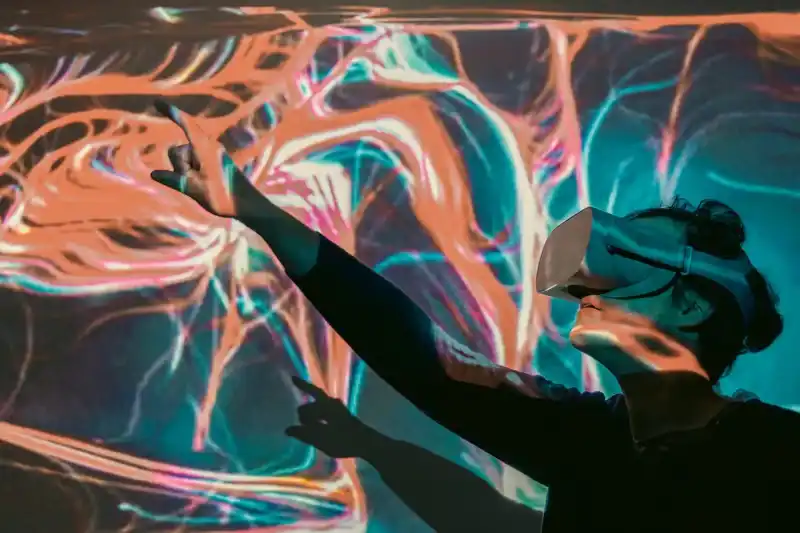
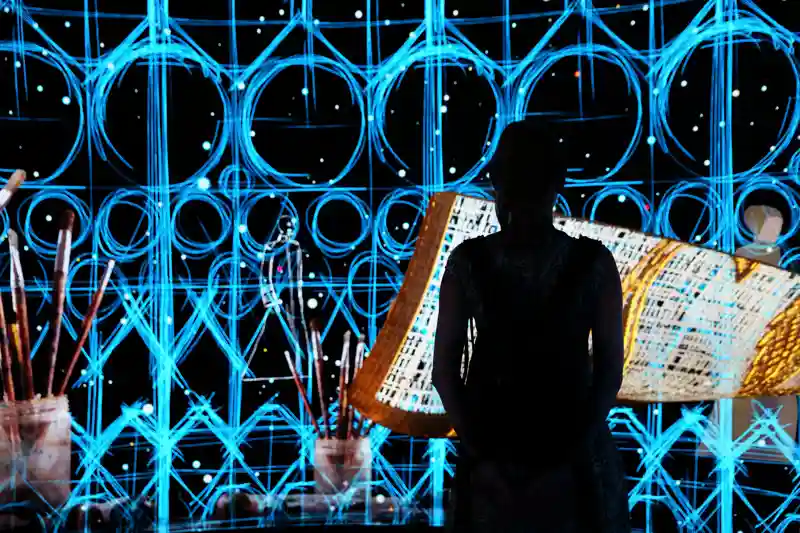
The art world has undergone a remarkable transformation in recent years. Traditional galleries and museums, once defined primarily by paintings displayed on walls and sculptures placed on pedestals, are increasingly embracing technology-driven experiences that engage visitors in entirely new ways. Modern immersive art exhibits have become some of the most popular attractions in cultural spaces around the world, drawing millions of visitors who seek experiences that go beyond passive observation. These exhibitions combine creativity, storytelling, technology, and interactivity to create environments where audiences become active participants rather than distant spectators.
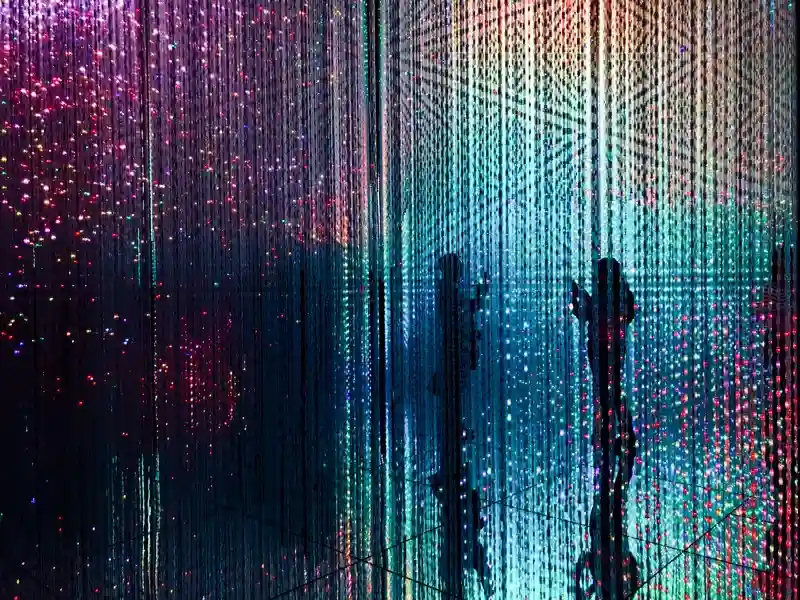
Immersive art experiences are designed to surround visitors with visual, auditory, and sometimes tactile elements that stimulate multiple senses simultaneously. Instead of simply viewing a work of art, visitors may walk through digital landscapes, interact with projected imagery, influence installations through movement, or explore virtual environments that respond to their actions. This shift reflects broader changes in how people engage with entertainment, education, and cultural experiences in the digital age.
The popularity of immersive exhibitions has grown significantly due to advances in technology. Powerful projectors, high-resolution displays, sophisticated software, artificial intelligence, virtual reality systems, and real-time tracking technologies have enabled artists and designers to create experiences that were impossible just a few decades ago. These innovations have expanded the boundaries of artistic expression while also attracting audiences who may not traditionally visit museums or galleries.
One of the most fascinating aspects of immersive art is its ability to blend multiple disciplines. Successful exhibitions often bring together artists, software developers, engineers, architects, musicians, filmmakers, lighting designers, and interaction specialists. The resulting experiences blur the lines between art, technology, entertainment, and education. Visitors may find themselves surrounded by moving digital paintings, exploring responsive environments, or interacting with installations that evolve in real time based on audience participation.
As technology continues to evolve, immersive art exhibits are becoming increasingly sophisticated. New tools allow artists to create larger, more detailed, and more interactive experiences than ever before. Understanding which technologies power these exhibits provides valuable insight into the future of creative expression and reveals how innovation is reshaping the relationship between art and audiences.
The Rise of Immersive Art Experiences
Immersive art has emerged as one of the fastest-growing segments of the cultural and entertainment industries.
Moving Beyond Traditional Viewing
Historically, visitors typically observed artwork from a distance.
Modern immersive exhibits encourage participation.
Visitors may:
- Walk through installations
- Trigger visual effects
- Influence digital environments
- Engage with interactive elements
This shift creates a more personal and memorable experience.
Appeal to Modern Audiences
Today’s audiences often seek experiences that are:
- Interactive
- Shareable
- Engaging
- Multi-sensory
Immersive art aligns closely with these preferences.
Technology as a Creative Tool
Rather than replacing traditional artistic methods, technology expands creative possibilities.
Artists can now build experiences that respond dynamically to audience behavior.
Projection Mapping
Projection mapping is one of the most widely used technologies in immersive art.
What Is Projection Mapping?
Projection mapping involves projecting digital images onto surfaces that are not traditional flat screens.
These surfaces may include:
- Walls
- Floors
- Ceilings
- Buildings
- Sculptures
- Architectural structures
Creating Dynamic Environments
Advanced software adjusts projected visuals to match the shape and dimensions of physical surfaces.
This creates the illusion that objects are moving, transforming, or coming to life.
Why Artists Use Projection Mapping
Projection mapping allows artists to:
- Transform spaces dramatically
- Create large-scale visual experiences
- Blend physical and digital elements
Many famous immersive exhibitions rely heavily on this technology.
High-Resolution Digital Projection Systems
Modern projection systems are essential to immersive experiences.
Image Quality Matters
Today’s projectors offer:
- High brightness levels
- Exceptional color accuracy
- Ultra-high resolutions
These features ensure immersive visuals remain clear and vibrant.
Large-Scale Installations
Multiple projectors are often synchronized to create seamless panoramic environments.
Visitors may be surrounded by imagery from every direction.
Continuous Visual Storytelling
Projection systems allow exhibits to display constantly evolving scenes and animations.
Virtual Reality (VR)
Virtual reality has opened entirely new possibilities for immersive art.
Understanding VR
VR uses headsets that place users inside digitally generated environments.
Instead of viewing artwork externally, visitors enter the experience itself.
Unique Artistic Opportunities
Artists can create:
- Three-dimensional worlds
- Interactive narratives
- Impossible landscapes
- Experimental visual experiences
These environments are not constrained by physical reality.
Personalized Exploration
Each visitor can experience VR content individually and interact with digital spaces at their own pace.
Augmented Reality (AR)
Augmented reality combines digital content with the physical world.
How AR Works
Using smartphones, tablets, or AR glasses, visitors see digital elements layered onto real-world environments.
Enhancing Physical Exhibits
AR can add:
- Animations
- Informational content
- Interactive features
- Digital storytelling components
to existing artworks.
Expanding Creative Possibilities
Artists can create experiences that evolve depending on where visitors look or move.
Motion Tracking Technology
Interactivity is a defining feature of many immersive exhibits.
What Is Motion Tracking?
Motion tracking systems detect visitor movement and translate it into digital responses.
Interactive Installations
Examples include:
- Floors that react to footsteps
- Walls that change when approached
- Digital environments that respond to gestures
Creating Participation
Motion tracking transforms visitors from observers into active participants.
This level of engagement significantly enhances immersion.
Sensor-Based Interactive Systems
Modern exhibits often rely on sophisticated sensor networks.
Types of Sensors
Common sensors include:
- Infrared sensors
- Depth cameras
- Pressure sensors
- Proximity detectors
Real-Time Responses
These sensors allow installations to react instantly to visitor actions.
Adaptive Experiences
Sensor-based systems create exhibits that change continuously throughout the day based on audience interactions.
Artificial Intelligence in Immersive Art
Artificial intelligence is becoming increasingly important in digital art experiences.
AI-Generated Visuals
AI systems can generate:
- Images
- Animations
- Patterns
- Artistic compositions
in real time.
Personalized Experiences
Some installations adapt content based on visitor behavior.
Creative Collaboration
Many artists use AI as a creative partner rather than simply a technical tool.
This relationship continues to evolve rapidly.
Interactive Touch Displays
Touchscreen technology remains a popular component of immersive exhibits.
Encouraging Exploration
Visitors can interact directly with content.
Educational Opportunities
Touch displays often provide:
- Historical context
- Artistic explanations
- Supplemental media
Accessibility Benefits
Interactive interfaces allow visitors to explore information at their own pace.
Spatial Audio Systems
Sound plays a critical role in immersion.
Beyond Traditional Speakers
Modern exhibits often use spatial audio systems that create three-dimensional sound environments.
Directional Audio
Sounds can appear to come from specific locations within a space.
Emotional Impact
Audio contributes significantly to atmosphere, storytelling, and visitor engagement.
LED Display Technology
Large-scale LED installations have become increasingly common.
Advantages of LED Screens
Benefits include:
- High brightness
- Rich color reproduction
- Flexibility in design
Large Visual Canvases
LED walls can transform entire rooms into dynamic digital environments.
Creative Freedom
Artists can display high-quality visuals on virtually any scale.
Real-Time Rendering Engines
Many immersive exhibits rely on real-time graphics technology.
What Is Real-Time Rendering?
Rendering engines generate visuals instantly rather than relying on pre-recorded content.
Popular Applications
Real-time systems are often used for:
- Interactive installations
- Virtual environments
- Dynamic storytelling
Responsive Experiences
Visuals can change immediately based on audience actions.
Computer Vision Technology
Computer vision allows systems to interpret visual information.
Visitor Recognition
Cameras can identify movement patterns and behaviors.
Interactive Possibilities
Computer vision enables installations that respond intelligently to visitors.
Advanced Engagement
The technology supports increasingly sophisticated interactions.
Holographic Displays
Holographic technologies continue to evolve.
Creating Three-Dimensional Illusions
Holographic systems create the appearance of floating images.
Artistic Applications
Artists use holography to:
- Create visual illusions
- Enhance storytelling
- Explore new forms of presentation
Future Potential
As costs decrease, holographic technologies may become more common.
Internet of Things (IoT) Integration
Connected devices are playing a larger role in exhibition design.
Networked Systems
Multiple components can communicate seamlessly.
Coordinated Experiences
Lighting, sound, visuals, and sensors can operate together.
Improved Management
IoT systems also support monitoring and maintenance.
Lighting Technologies
Lighting remains a fundamental part of immersive design.
Dynamic Lighting Systems
Modern systems can change:
- Color
- Brightness
- Patterns
- Timing
Supporting Storytelling
Lighting helps guide attention and create atmosphere.
Synchronization
Lighting often works alongside projections and audio.
Data Visualization Technologies
Some exhibits transform complex data into artistic experiences.
Artistic Interpretation
Data may be converted into:
- Visual patterns
- Interactive displays
- Dynamic environments
Educational Value
Visitors can engage with information in creative ways.
Growing Popularity
Data-driven art continues to gain attention.
The Role of Software Platforms
Software serves as the foundation for most immersive experiences.
Coordinating Technologies
Software manages:
- Visual content
- Sensor input
- Audio systems
- Interactive features
Creative Control
Artists use software tools to design and refine experiences.
Continuous Evolution
New software capabilities regularly expand creative possibilities.
Challenges of Creating Immersive Art Exhibits
Despite technological advances, challenges remain.
Technical Complexity
Large installations often require extensive expertise.
High Costs
Advanced equipment can be expensive.
Maintenance Requirements
Technology requires ongoing support and updates.
Balancing Art and Technology
Successful exhibits prioritize meaningful artistic experiences rather than technology alone.
Why Visitors Love Immersive Art
The popularity of immersive exhibits continues growing.
Multi-Sensory Engagement
Visitors experience art through multiple senses.
Active Participation
People enjoy influencing outcomes and interacting with environments.
Memorable Experiences
Immersive exhibits often create stronger emotional connections than traditional displays.
These factors contribute significantly to their success.
Frequently Asked Questions
What technology is most commonly used in immersive art exhibits?
Projection mapping is one of the most widely used technologies because it can transform entire spaces with dynamic visuals.
How does virtual reality differ from immersive projection exhibits?
Virtual reality places individuals inside digital environments using headsets, while projection exhibits surround visitors with digital content in physical spaces.
Why is motion tracking important?
Motion tracking allows installations to respond to visitor actions, creating interactive experiences.
Can artificial intelligence create art?
AI can generate artistic content and assist artists in creating new forms of expression.
Are immersive exhibits replacing traditional art galleries?
No. They are expanding the range of artistic experiences available rather than replacing traditional forms.
Final Thoughts
Modern immersive art exhibits represent a fascinating fusion of creativity and technology. Through the use of projection mapping, virtual reality, augmented reality, motion tracking, artificial intelligence, spatial audio, interactive displays, computer vision, advanced lighting systems, and real-time rendering technologies, artists can create experiences that engage audiences in entirely new ways. These innovations have transformed galleries, museums, and public spaces into dynamic environments where visitors become active participants in the artistic process rather than passive observers.
As technology continues advancing, immersive art will likely become even more interactive, personalized, and sophisticated. Future exhibits may incorporate increasingly intelligent systems, richer sensory experiences, and deeper forms of audience engagement. While the tools continue evolving, the core purpose remains unchanged: to inspire curiosity, evoke emotion, encourage exploration, and create meaningful connections between people and art. By combining artistic vision with technological innovation, immersive exhibits are redefining what art can be in the twenty-first century.