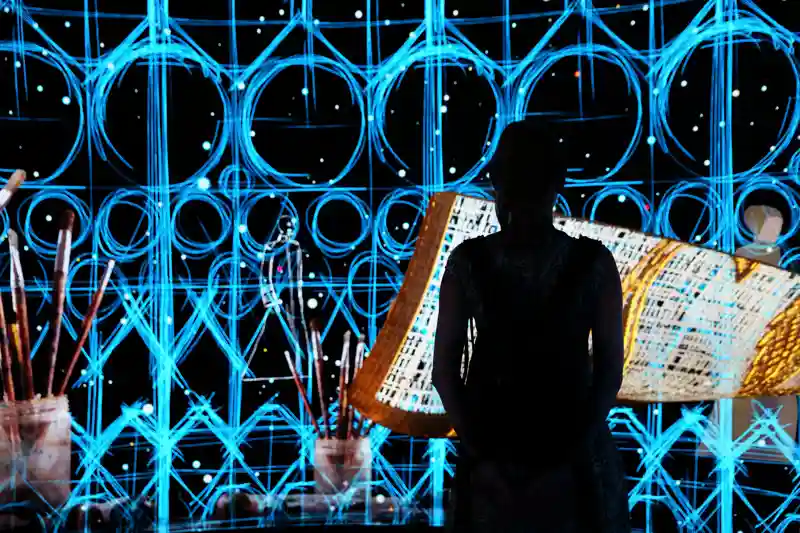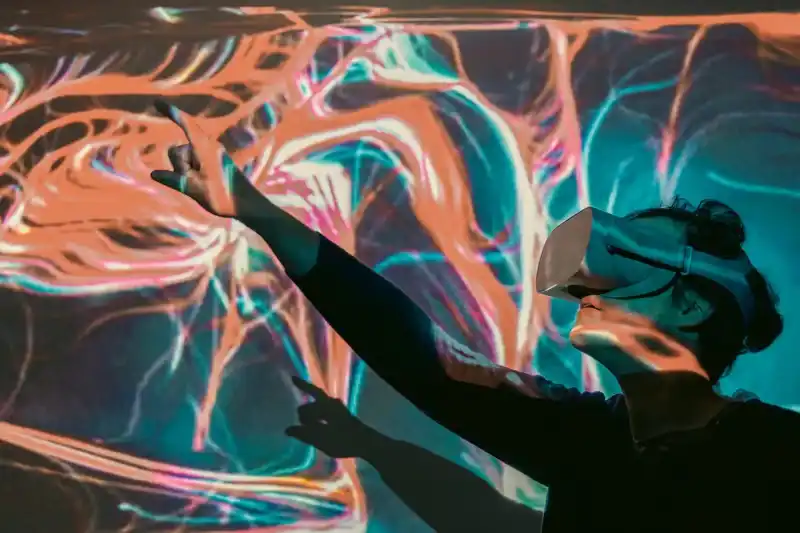
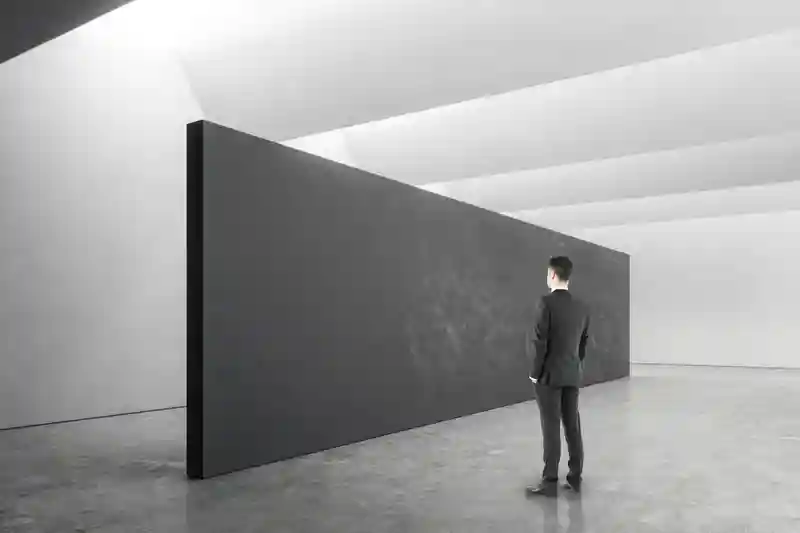
The relationship between audiences and art has changed dramatically over the past few decades. Traditionally, art appreciation was largely a passive activity. Visitors entered galleries, museums, and exhibition halls to observe paintings, sculptures, photographs, and other works from a respectful distance. The experience often involved quiet contemplation, visual observation, and personal interpretation. While this approach continues to hold tremendous value, a growing movement within the art world is redefining how people engage with creative works. Interactive art installations have emerged as one of the most influential developments in contemporary art, transforming visitors from observers into participants and reshaping expectations about what an art experience can be.
Interactive art installations differ from traditional exhibits because they respond to audience involvement. Rather than simply viewing an artwork, visitors may touch, move, speak, walk through, or otherwise interact with the installation. Their actions influence the experience, often creating outcomes that change in real time. This dynamic relationship between artwork and audience introduces a level of engagement that many people find more memorable, personal, and meaningful than passive observation alone.
The growth of interactive installations has been fueled by advances in technology as well as changing cultural expectations. Modern audiences increasingly seek experiences rather than simple consumption. In a world shaped by smartphones, social media, gaming, and digital interactivity, people have become accustomed to influencing and customizing their experiences. Interactive art aligns naturally with these expectations by offering opportunities for exploration, participation, and personal discovery.
Museums, galleries, cultural institutions, and public art organizations have embraced interactive exhibits because they attract diverse audiences and encourage deeper engagement. Visitors who may feel intimidated by traditional art settings often find interactive installations more approachable and inviting. These experiences frequently appeal to families, younger generations, and individuals who might not otherwise consider themselves art enthusiasts.
Beyond entertainment value, interactive art installations create opportunities for education, emotional connection, social interaction, and creative expression. They encourage visitors to think differently about art, space, technology, and their own role within the artistic process. By breaking down barriers between creator and audience, interactive installations are transforming not only how art is experienced but also how it is understood.
The Evolution of the Traditional Art Experience
For centuries, art exhibitions followed relatively consistent formats.
Observation as the Primary Activity
Visitors typically engaged with art by:
- Looking
- Reflecting
- Interpreting
Physical interaction was often discouraged to protect valuable works.
The Rise of Experiential Culture
Modern audiences increasingly value experiences that are:
- Participatory
- Personalized
- Engaging
- Memorable
These changing expectations have influenced artistic innovation.
A Shift Toward Participation
Interactive installations reflect a broader cultural movement toward active engagement rather than passive observation.
What Is Interactive Art?
Interactive art encompasses works that respond to audience participation.
Defining Characteristics
Interactive installations often involve:
- Movement
- Touch
- Sound
- Gesture recognition
- Audience input
The artwork changes based on visitor actions.
Dynamic Experiences
Unlike static displays, interactive works may produce different outcomes each time they are experienced.
Shared Creation
Visitors often contribute to the final experience, becoming part of the artistic process.
Encouraging Active Participation
One of the most significant transformations involves visitor involvement.
From Spectator to Participant
Traditional exhibits position audiences as observers.
Interactive installations invite them to become contributors.
Greater Personal Investment
People often feel more connected to experiences they help create.
Increased Engagement
Participation encourages visitors to spend more time exploring and interacting with artworks.
Creating Memorable Experiences
Interactive installations tend to leave lasting impressions.
Multi-Sensory Engagement
Many installations stimulate multiple senses simultaneously.
Visitors may experience:
- Visual effects
- Soundscapes
- Tactile elements
- Environmental changes
Emotional Impact
Direct participation often creates stronger emotional connections.
Lasting Memories
People frequently remember experiences more vividly when they are actively involved.
Making Art More Accessible
Interactive exhibits can make art more approachable for broader audiences.
Reducing Intimidation
Some visitors find traditional art environments intimidating.
Interactive works often feel more welcoming.
Encouraging Exploration
Visitors are invited to experiment and engage without needing extensive artistic knowledge.
Reaching New Audiences
Interactive installations frequently attract:
- Families
- Children
- Young adults
- First-time museum visitors
This broader appeal supports audience growth.
Strengthening Emotional Connections
Emotion plays a powerful role in visitor experiences.
Personal Relevance
Interactive works often respond directly to visitor actions.
This personalization increases emotional investment.
Shared Human Experiences
Many installations explore themes such as:
- Identity
- Memory
- Connection
- Community
Participation helps visitors relate these themes to their own lives.
Deeper Reflection
Engagement often encourages more meaningful contemplation.
Technology as a Creative Partner
Technology has expanded the possibilities of interactive art.
Modern Tools
Artists increasingly use:
- Motion tracking
- Artificial intelligence
- Projection mapping
- Sensors
- Augmented reality
Responsive Environments
Technology allows installations to adapt in real time.
Expanding Creative Boundaries
Artists can create experiences that would have been impossible using traditional methods alone.
Personalization Enhances Engagement
People value experiences that feel unique.
Individual Responses
Interactive installations often respond differently to each participant.
Customized Experiences
No two visits may be exactly alike.
Stronger Connections
Personalization increases relevance and emotional resonance.
Encouraging Curiosity and Discovery
Interactive art naturally promotes exploration.
Learning Through Participation
Visitors discover how installations work by engaging directly with them.
Experimental Mindset
People are encouraged to test, observe, and learn.
Sustained Interest
Curiosity keeps audiences engaged for longer periods.
Supporting Educational Goals
Interactive exhibits offer significant educational benefits.
Active Learning
Research consistently suggests that active participation supports learning.
Complex Concepts Made Accessible
Interactive installations can simplify difficult topics through experiential engagement.
Increased Retention
People often remember information more effectively when they interact with it directly.
Fostering Social Interaction
Art experiences increasingly serve social functions.
Shared Participation
Visitors often interact with installations together.
Collaborative Experiences
Some works require multiple participants to function fully.
Building Community
Shared experiences encourage conversation and connection.
The Influence of Digital Culture
Modern digital habits have shaped audience expectations.
Interactive Technology Everywhere
People regularly engage with:
- Smartphones
- Apps
- Video games
- Social media platforms
Familiar Interaction Patterns
Interactive exhibits often feel intuitive because they mirror digital behaviors.
Meeting Audience Expectations
Participation aligns with contemporary preferences for engagement and control.
Expanding Creative Expression
Interactive art offers artists new forms of storytelling.
Beyond Static Objects
Artists can create experiences that evolve over time.
Audience-Driven Outcomes
Visitors influence narratives and visual results.
New Artistic Mediums
Technology has introduced entirely new creative possibilities.
The Role of Immersion
Many interactive installations are also immersive.
Full Environmental Engagement
Visitors may be surrounded by:
- Visual projections
- Sound
- Interactive elements
Enhanced Presence
Immersion helps visitors feel part of the artwork.
Stronger Experiences
The combination of immersion and interaction often produces powerful results.
Encouraging Repeat Visits
Interactive exhibits often encourage return visits.
Changing Outcomes
Experiences may differ each time.
Ongoing Exploration
Visitors may discover new elements during subsequent visits.
Increased Value
Dynamic content enhances long-term appeal.
Public Art and Interactive Installations
Interactive experiences extend beyond museums.
Urban Spaces
Cities increasingly incorporate interactive public art.
Community Engagement
Public installations invite participation from diverse audiences.
Increased Accessibility
People can encounter art in everyday environments.
Challenges of Interactive Art
Despite its benefits, interactive art presents unique challenges.
Technical Requirements
Many installations rely on complex systems.
Maintenance Needs
Technology requires ongoing support.
Accessibility Considerations
Designers must ensure experiences remain inclusive.
Balancing Technology and Meaning
Successful installations prioritize artistic purpose rather than technology alone.
Measuring Visitor Engagement
Interactive exhibits provide new ways to evaluate audience involvement.
Observable Participation
Institutions can measure:
- Time spent interacting
- Visitor movement patterns
- Participation rates
Valuable Insights
These metrics help improve future exhibit design.
Enhanced Visitor Understanding
Organizations gain deeper knowledge of audience preferences.
The Future of Interactive Art
The field continues evolving rapidly.
Emerging Technologies
Future installations may incorporate:
- Advanced AI
- Virtual reality
- Haptic feedback
- Mixed reality environments
Greater Personalization
Experiences may become increasingly tailored to individual visitors.
Expanding Accessibility
New technologies may help make interactive art available to broader audiences.
Why Interactive Installations Matter
Their influence extends beyond entertainment.
Encouraging Creativity
Visitors become active contributors rather than passive consumers.
Supporting Learning
Participation enhances understanding and retention.
Building Connections
Interactive experiences strengthen relationships between people, ideas, and art.
These broader impacts explain their growing importance.
Frequently Asked Questions
What makes an art installation interactive?
Interactive installations respond to audience participation through movement, touch, sound, or other forms of engagement.
Why are interactive exhibits popular?
They create engaging, memorable, and personalized experiences that encourage active participation.
Do interactive installations require technology?
Not always, although many modern examples use advanced technological tools.
Are interactive exhibits educational?
Yes. Active participation often supports learning, understanding, and information retention.
Will interactive art replace traditional art?
No. Interactive art expands artistic possibilities while existing alongside traditional forms.
Conclusion
Interactive art installations are transforming the visitor experience by shifting audiences from passive observers to active participants. Through engagement, personalization, technology, and immersion, these works create deeper emotional connections, encourage exploration, and make art more accessible to diverse audiences. Visitors no longer simply view art; they help shape it, influence it, and become part of the experience itself. This participatory approach reflects broader cultural changes that value engagement, creativity, and meaningful interaction.
As technology continues advancing and audience expectations evolve, interactive installations will likely play an increasingly important role in museums, galleries, public spaces, and cultural institutions. Their ability to combine artistic expression with participation, education, and innovation ensures they will remain a powerful force in contemporary art. By transforming how people experience creativity, interactive art installations are helping redefine the relationship between artists, audiences, and the future of cultural engagement.