In the ever-evolving world of art, digital media have revolutionized how artists create and share their work. With the advancement of technology, digital art styles have emerged, allowing creators to express their ideas and emotions in innovative ways. This complete guide will explore various digital art styles, their unique characteristics, and how you can harness these techniques to enhance your creative journey.
Understanding Digital Art
Before diving into specific digital art styles, it’s essential to grasp what digital art is and how it differs from traditional art forms. Digital art refers to any artwork created using digital technology, encompassing a wide range of techniques and tools, including graphic design, 3D modeling, digital painting, and more. Unlike traditional mediums, digital art allows for infinite experimentation, easy editing, and broad accessibility.
The beauty of digital art lies in its versatility. Artists can create everything from intricate illustrations to animated graphics, all while utilizing software that enables fine-tuning and manipulation. This flexibility has opened the door for new creative possibilities, making digital art a popular choice among both emerging and established artists.
Popular Digital Art Styles
With numerous digital art styles available, it can be overwhelming for artists to determine which techniques resonate with their creative visions. Here, we will explore some of the most popular digital art styles, providing insights into their characteristics and applications.
1. Digital Painting
Digital painting is one of the most prominent digital art styles, mimicking traditional painting techniques using digital tools. Artists can use software like Adobe Photoshop, Corel Painter, or Procreate to create stunning artworks that resemble oil, watercolor, or acrylic paintings.
One of the key features of digital painting is the ability to layer and blend colors seamlessly. This technique allows artists to build depth and texture, enhancing the overall composition. Many contemporary artists such as Loish and Artgerm have gained recognition for their breathtaking digital paintings, showcasing the style’s potential to combine traditional aesthetics with modern technology.
2. Vector Art
Vector art is created using mathematical equations to define shapes, lines, and colors, resulting in crisp and clean graphics that can be scaled infinitely without losing quality. This digital art style is commonly used in graphic design, illustrations, and logos due to its versatility and precision.
Software like Adobe Illustrator is widely utilized for creating vector art. Artists can manipulate shapes and colors easily, making it an ideal choice for creating posters, icons, and web graphics. One notable artist in this field is Malika Favre, known for her bold and minimalist vector illustrations that evoke a sense of elegance and simplicity.
3. 3D Modeling
3D modeling is a digital art style that involves creating three-dimensional objects and environments using specialized software. This technique is widely used in industries such as gaming, animation, and architecture. Artists can create lifelike characters, intricate landscapes, and stunning visual effects through 3D modeling.
Popular software for 3D modeling includes Blender, Autodesk Maya, and Cinema 4D. Artists like Beeple have gained fame for their innovative 3D artworks, pushing the boundaries of the medium and exploring themes of technology and society. The immersive nature of 3D art allows for dynamic storytelling, making it a powerful tool for creative expression.
4. Digital Illustration
Digital illustration encompasses a wide range of styles and techniques, focusing on creating images for various purposes, including editorial content, book covers, and advertising. Artists can combine traditional drawing techniques with digital tools to produce unique visuals.
One of the advantages of digital illustration is the ability to experiment with different styles quickly. Artists can easily modify colors, textures, and compositions, allowing for greater creativity and exploration. Renowned illustrators like Jessica Walsh and Yuko Shimizu have showcased the diversity of digital illustration, often blending whimsical elements with bold narratives.
5. Pixel Art
Pixel art is a digital art style that emphasizes the aesthetic of individual pixels, reminiscent of retro video games and 8-bit graphics. This style often features a limited color palette and a blocky appearance, creating a nostalgic feel that resonates with fans of classic gaming.
Artists can create pixel art using software like Aseprite or Piskel, focusing on crafting characters, animations, and environments with meticulous attention to detail. The charm of pixel art lies in its simplicity and the ability to convey emotions and stories through minimalistic design. Artists such as Paul Robertson have gained recognition for their vibrant and intricate pixel art animations, showcasing the style’s potential for creativity.
6. Mixed Media
Mixed media digital art combines various techniques and styles, allowing artists to blend traditional and digital elements seamlessly. This approach encourages experimentation and creativity, enabling artists to explore diverse themes and concepts.
For example, an artist may start with a hand-drawn sketch, scan it into a digital format, and then enhance it with digital painting techniques or incorporate photography. This layered approach creates visually rich and dynamic artworks that captivate viewers. Artists like Keri Smith and Kelli Anderson have embraced mixed media in their digital art, showcasing the beauty of combining different styles.
Tools and Software for Digital Art
To explore various digital art styles, artists need the right tools and software to bring their visions to life. Here are some popular options that cater to different styles and techniques.
Adobe Creative Suite
Adobe Creative Suite, which includes Photoshop, Illustrator, and After Effects, is a staple for many digital artists. Photoshop is widely used for digital painting, photo manipulation, and illustration, while Illustrator is perfect for vector art and graphic design. After Effects is favored for animation and motion graphics.
Procreate
Procreate is a powerful digital painting app designed specifically for iPad users. Its intuitive interface and extensive brush library make it a favorite among illustrators and digital painters. Procreate allows artists to create detailed artworks on the go and export their creations in various formats.
Blender
Blender is a free and open-source 3D modeling software that has gained popularity for its robust features. Artists can create stunning 3D models, animations, and visual effects, making it an excellent choice for those interested in venturing into the world of 3D art.
Clip Studio Paint
Clip Studio Paint is a versatile software designed for illustrators and comic artists. It offers a range of tools for digital painting, inking, and coloring, making it ideal for creating manga and comic-style art. Its user-friendly interface and extensive brush options cater to various digital art styles.
Corel Painter
Corel Painter is a digital painting software known for its realistic brushes and textures. It simulates traditional painting techniques, allowing artists to create lifelike artworks. With its extensive brush library and customizable settings, Corel Painter is a favorite among professional digital painters.
Tips for Exploring Digital Art Styles
As you embark on your journey to explore different digital art styles, consider the following tips to enhance your creative process.
Experiment and Play
Digital art provides the freedom to experiment without the constraints of traditional mediums. Don’t be afraid to try new techniques, styles, and tools. Allow yourself to make mistakes and embrace the learning process. Each experiment can lead to unexpected discoveries and breakthroughs in your creative journey.
Study Other Artists
Take the time to study the work of other artists within the digital art community. Analyze their techniques, color choices, and composition styles. By understanding how others approach their art, you can gain valuable insights that may inspire your work. Platforms like Instagram and Behance are great places to discover and connect with fellow artists.
Join Online Communities
Engaging with online communities dedicated to digital art can provide support and inspiration. Platforms like DeviantArt, ArtStation, and Reddit have active communities where artists can share their work, receive feedback, and connect with like-minded individuals. Participating in challenges and collaborations can also push you to explore new styles and techniques.
Invest in Learning
Consider taking online courses or tutorials to expand your skills and knowledge of specific digital art styles. Websites like Skillshare, Udemy, and Domestika offer a wealth of resources for artists of all levels. Learning from experienced instructors can provide valuable insights and techniques to elevate your work.
Create a Portfolio
As you explore different digital art styles, curate a portfolio that showcases your best work. A well-organized portfolio can demonstrate your versatility and unique artistic voice, making it easier to attract potential clients or collaborators. Whether you’re aiming for freelance opportunities or simply want to share your art, a strong portfolio is essential.
The Future of Digital Art Styles
The landscape of digital art is constantly evolving, shaped by advancements in technology and changing artistic trends. As we look to the future, several exciting developments are likely to influence digital art styles.
Virtual and Augmented Reality
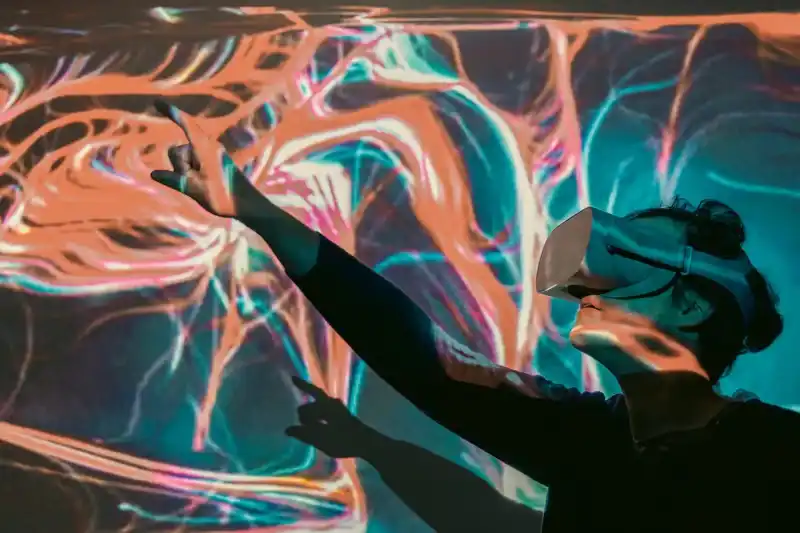
Virtual reality (VR) and augmented reality (AR) are poised to revolutionize the way artists create and share their work. These technologies allow for immersive experiences, enabling audiences to step inside digital art and interact with it in ways previously unimaginable. Artists who embrace VR and AR will have the opportunity to push boundaries and create entirely new forms of art.
Artificial Intelligence
Artificial intelligence (AI) is making waves in the art world, enabling artists to explore new possibilities and techniques. AI-generated art has gained attention for its ability to produce unique and thought-provoking pieces. As AI technology continues to advance, artists will likely find innovative ways to integrate it into their creative processes.
Increased Accessibility
The rise of digital art has made creative expression more accessible than ever. With affordable software and hardware options, aspiring artists can explore their creativity without the financial burden of traditional art supplies. This accessibility fosters a diverse and vibrant community of artists, each bringing their unique perspectives and styles to the digital landscape.
Cross-Disciplinary Collaboration
As digital art continues to gain recognition, collaboration between artists from various disciplines is becoming more common. Musicians, filmmakers, and visual artists are working together to create multimedia experiences that blur the lines between art forms. These collaborations will likely result in innovative projects that push the boundaries of creativity.
Conclusion
Digital art styles have transformed the creative landscape, providing artists with a plethora of techniques and tools to express their visions. From digital painting and vector art to 3D modeling and mixed media, the possibilities are endless. By exploring these styles and embracing experimentation, artists can unlock their full creative potential.
As technology continues to evolve, the future of digital art holds exciting prospects. With advancements in VR, AI, and increased accessibility, artists will have the opportunity to push boundaries and redefine what art can be. Whether you’re an aspiring artist or a seasoned professional, the world of digital art styles invites you to embark on a journey of creativity and self-expression.