
Art has always reflected the world around us. From ancient cave paintings to Renaissance masterpieces and modern installations, every era has produced artistic styles that capture the values, concerns, and imagination of society. Today, the art world is more diverse and interconnected than ever before. Thanks to globalization, digital technology, social media, and cultural exchange, artists can share ideas instantly and reach audiences across continents. This dynamic environment has given rise to numerous contemporary art movements that continue to shape how people create, experience, and interpret art.
Unlike historical art periods that often followed strict rules or aesthetic principles, modern artistic expression embraces experimentation and innovation. Artists are increasingly combining traditional techniques with emerging technologies, exploring social issues, challenging cultural norms, and creating immersive experiences that invite audience participation. As a result, contemporary art movements have become powerful tools for storytelling, activism, and creative exploration.
Understanding these movements is essential for anyone interested in modern culture, visual arts, design, or creative industries. Whether you are an art enthusiast, student, collector, or casual observer, learning about today’s most influential artistic trends offers valuable insight into the evolving relationship between art and society. This article explores the leading contemporary art movements shaping the modern creative landscape and examines why they continue to influence artists and audiences worldwide.
What Defines Contemporary Art Movements?
The term contemporary art movements refers to artistic trends, practices, and philosophies that have emerged primarily from the late twentieth century to the present day. These movements reflect current social, political, technological, and cultural realities while pushing creative boundaries in new directions.
Unlike traditional art movements that often centered around specific geographic regions or artistic schools, modern movements tend to be global and interconnected. Artists from different countries frequently collaborate, exchange ideas online, and draw inspiration from diverse cultural influences. This international perspective contributes to the richness and complexity of contemporary art movements.
What makes these movements particularly significant is their willingness to challenge established conventions. Contemporary artists often experiment with unconventional materials, digital technologies, interactive experiences, and conceptual approaches that redefine what art can be. This spirit of innovation continues to drive artistic evolution in the twenty-first century.
The Rise of Digital Art as a Dominant Force
Among the most influential contemporary art movements, digital art has transformed the creative landscape more dramatically than perhaps any other trend. Advances in software, hardware, artificial intelligence, and online platforms have expanded artistic possibilities far beyond traditional mediums.
Digital artists create works using computers, tablets, virtual reality systems, and generative algorithms. These tools allow for unprecedented experimentation with color, motion, interactivity, and visual effects. As technology continues evolving, digital art increasingly influences advertising, entertainment, design, gaming, and fine art markets.
The popularity of online exhibitions and digital marketplaces has further accelerated the growth of digital-focused contemporary art movements. Artists can now reach global audiences without relying solely on traditional galleries, creating new opportunities for visibility and commercial success.
Street Art and Urban Creativity
Street art has evolved from a controversial subculture into one of the most respected contemporary art movements worldwide. Once viewed primarily as vandalism, many forms of urban art are now celebrated for their creativity, social commentary, and cultural significance.
Modern street artists use walls, public spaces, and urban environments as canvases for large-scale works that engage local communities. Their creations often address political issues, environmental concerns, identity, inequality, and social justice.
The accessibility of street art contributes significantly to its influence. Unlike traditional gallery exhibitions, urban artworks are available to everyone, regardless of economic or educational background. This democratic approach has helped establish street art as one of the defining contemporary art movements of our time.
Conceptual Art and the Power of Ideas
Conceptual art remains one of the most intellectually influential contemporary art movements in today’s creative world. Rather than focusing primarily on aesthetics, conceptual artists emphasize ideas, meaning, and interpretation.
In conceptual works, the underlying message often holds greater importance than the physical object itself. Artists use various mediums, including text, installations, performances, and multimedia experiences, to communicate complex themes and encourage critical thinking.
The continued relevance of conceptual approaches demonstrates how contemporary art movements often prioritize intellectual engagement alongside visual appeal. Audiences are encouraged not only to observe but also to question, analyze, and participate in the artistic experience.
Environmental Art and Sustainability
As concerns about climate change and environmental sustainability grow, ecological themes have become increasingly prominent within contemporary art movements. Artists worldwide are using their work to raise awareness about environmental challenges and inspire action.
Environmental art frequently incorporates natural materials, recycled objects, and site-specific installations that highlight humanity’s relationship with nature. Many artists create works that directly address issues such as pollution, biodiversity loss, and climate resilience.
The growing visibility of sustainability-focused contemporary art movements reflects broader societal conversations about environmental responsibility. Through powerful visual storytelling, artists help audiences engage with complex ecological issues in meaningful ways.
Immersive and Experiential Art
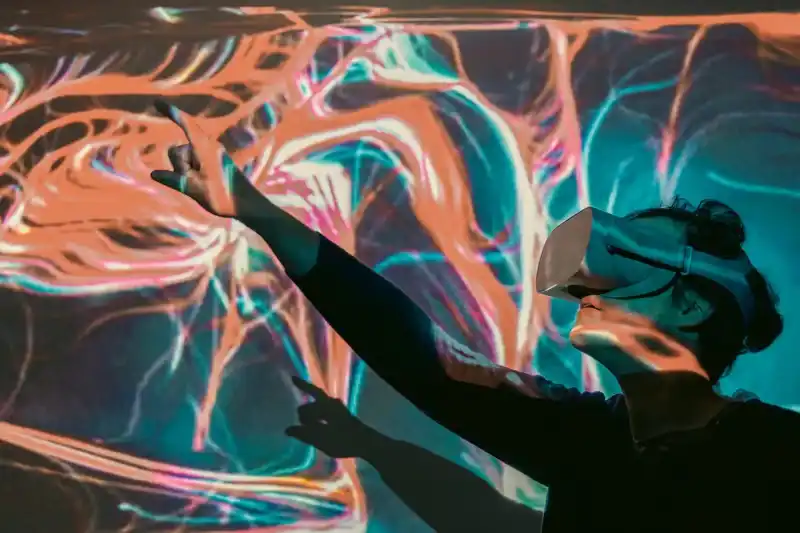
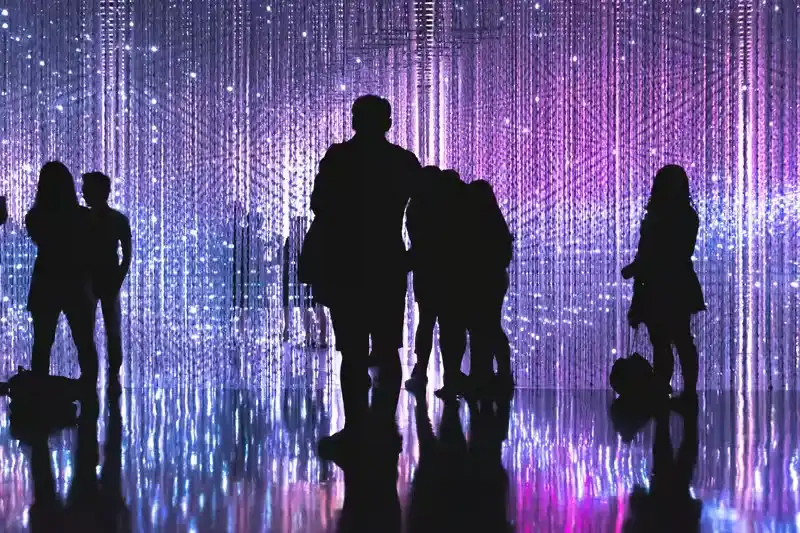
One of the fastest-growing contemporary art movements involves immersive and interactive experiences. These installations transform viewers from passive observers into active participants, creating deeper emotional and sensory engagement.
Artists use projection mapping, sound design, virtual reality, augmented reality, and interactive technologies to construct environments that surround visitors completely. These experiences often blur the boundaries between art, entertainment, technology, and architecture.
The success of immersive exhibitions demonstrates how contemporary art movements continue adapting to changing audience expectations. Modern visitors increasingly seek memorable experiences that engage multiple senses and encourage personal interaction.
Identity, Diversity, and Representation in Contemporary Art
Questions of identity, representation, and inclusion have become central themes within many contemporary art movements. Artists are exploring issues related to gender, race, ethnicity, sexuality, migration, and cultural heritage through deeply personal and socially relevant work.
These artistic explorations help amplify voices that have historically been underrepresented in mainstream cultural institutions. By sharing diverse perspectives and experiences, artists contribute to broader conversations about equality, justice, and belonging.
The emphasis on representation has significantly shaped the direction of contemporary art movements, encouraging greater diversity among artists, curators, and audiences alike.
Performance Art and Live Expression
Performance art continues to play a significant role in modern creative practice. Unlike traditional visual art forms, performance-based contemporary art movements use the human body, actions, and live experiences as primary artistic mediums.
Artists often explore themes such as identity, vulnerability, memory, and social interaction through carefully designed performances. These events can occur in galleries, public spaces, theaters, or unconventional locations.
The ephemeral nature of performance art makes it particularly powerful. Because each experience is unique and temporary, audiences often develop strong emotional connections with the work, reinforcing the impact of these contemporary art movements.
The Influence of Artificial Intelligence on Art
Artificial intelligence is rapidly becoming one of the most discussed developments within contemporary art movements. AI-powered tools enable artists to generate images, animations, music, and interactive experiences that challenge traditional notions of authorship and creativity.
Some artists use AI as a collaborative partner, while others explore the philosophical implications of machine-generated creativity. These experiments raise important questions about originality, human expression, and the future of artistic practice.
As technology advances, AI-driven innovation is expected to play an increasingly significant role in shaping future contemporary art movements and creative industries worldwide.
Globalization and Cross-Cultural Collaboration
The interconnected nature of modern society has profoundly influenced contemporary art movements. Artists now have unprecedented access to global networks, allowing them to collaborate across cultures and geographic boundaries.
This exchange of ideas has led to the emergence of hybrid artistic styles that combine traditional techniques with contemporary influences. Cultural diversity enriches artistic expression and encourages new perspectives on shared global challenges.
Global collaboration ensures that contemporary art movements remain dynamic, adaptable, and reflective of an increasingly interconnected world.
The Role of Social Media in Shaping Art Trends
Social media platforms have transformed how artists create, share, and promote their work. As a result, digital communication plays a crucial role in the development of contemporary art movements.
Artists can instantly reach millions of viewers, receive feedback, and build international communities. Viral trends often influence artistic experimentation, while online visibility can launch careers that might previously have remained unnoticed.
The relationship between social media and contemporary art movements highlights the growing importance of digital platforms in shaping cultural conversations and creative opportunities.
Contemporary Art and the Future of Museums
Museums and galleries are evolving alongside contemporary art movements. Traditional exhibition models are increasingly supplemented by digital installations, interactive experiences, and educational programming designed to engage diverse audiences.
Many institutions now prioritize accessibility, inclusivity, and audience participation. This shift reflects changing expectations among visitors who seek more meaningful and engaging cultural experiences.
As museums continue adapting, contemporary art movements will likely play a central role in defining how cultural institutions serve future generations.
Why Contemporary Art Movements Matter Today
The importance of contemporary art movements extends beyond aesthetics. These movements provide valuable insights into the social, political, technological, and environmental issues shaping our world.
Artists often act as cultural observers and innovators, exploring topics that may not yet be fully understood by society. Their work encourages dialogue, empathy, critical thinking, and creative problem-solving.
By engaging with contemporary art movements, audiences gain a deeper understanding of modern life and the diverse perspectives that define today’s global culture. This relevance ensures that contemporary art remains an essential part of public discourse and cultural development.
Conclusion
The world of contemporary art movements is vibrant, diverse, and constantly evolving. From digital innovation and immersive experiences to environmental activism and identity-based storytelling, today’s artists are pushing creative boundaries in remarkable ways.
These movements reflect the complexities of modern society while offering new possibilities for expression, connection, and understanding. As technology advances and cultural conversations continue evolving, contemporary art will undoubtedly adapt and transform alongside them.
For anyone interested in creativity, culture, or the future of human expression, exploring contemporary art movements provides valuable insight into the ideas, challenges, and innovations shaping our world today.
Frequently Asked Questions
What are contemporary art movements?
Contemporary art movements are artistic trends and practices that have emerged from the late twentieth century to the present day. They reflect modern cultural, technological, political, and social influences while encouraging innovation, experimentation, and new approaches to artistic expression across diverse mediums and disciplines.
Why are contemporary art movements important?
Contemporary art movements help society explore current issues, challenge assumptions, and encourage creative thinking. They provide insight into cultural changes, technological advancements, environmental concerns, and social developments while fostering meaningful conversations about the world people live in today.
Which contemporary art movement is growing the fastest?
Digital art is widely considered one of the fastest-growing contemporary art movements due to advancements in technology, artificial intelligence, virtual reality, and online platforms. Its accessibility and global reach have significantly expanded opportunities for artists, collectors, educators, and cultural institutions.
How has technology influenced contemporary art movements?
Technology has transformed contemporary art movements by introducing digital tools, interactive experiences, artificial intelligence, augmented reality, and online exhibition spaces. These innovations allow artists to experiment with new forms of creativity while reaching broader audiences and creating more engaging artistic experiences.
Can contemporary art movements influence society?
Yes, contemporary art movements often influence public conversations, cultural values, and social awareness. Artists address important topics such as sustainability, identity, equality, and technological change, encouraging audiences to reflect on complex issues and engage with diverse perspectives through creative expression.