In recent years, the world of art has witnessed a revolutionary shift with the rise of immersive art exhibits. These experiences transcend traditional art forms, inviting audiences to step inside the artwork and engage with it on a personal level. But what exactly are immersive art exhibits, and why have they captured the hearts and minds of so many? This article will explore the essence of immersive art exhibits, their increasing popularity, and the cultural significance they hold in today’s society.
Understanding Immersive Art Exhibits
Immersive art exhibits are innovative installations that create an interactive environment where viewers can engage with the artwork in a multi-sensory manner. Unlike traditional museums or galleries, where art is often viewed from a distance, immersive exhibits invite participants to walk through, touch, and sometimes even influence the artwork itself. These experiences often incorporate a range of artistic mediums, including visual art, sound, light, and even scent, to create a holistic experience.
One prominent example of immersive art is the “Van Gogh Immersive Experience,” which has taken cities around the world by storm. Visitors enter a large room where projections of Van Gogh’s masterpieces dance across the walls and floors, accompanied by an evocative soundtrack. This allows guests to feel as if they are stepping into Van Gogh’s world, enveloped by his vibrant colors and swirling patterns.
The Evolution of Immersive Art
The concept of immersive art is not entirely new. Historically, various art forms have sought to engage audiences in different ways. From the elaborate frescoes of the Renaissance to the atmospheric installations of contemporary artists, the desire to create an engaging experience has always been present. However, the modern iteration of immersive art exhibits has been significantly influenced by advancements in technology and a shift in cultural consumption.
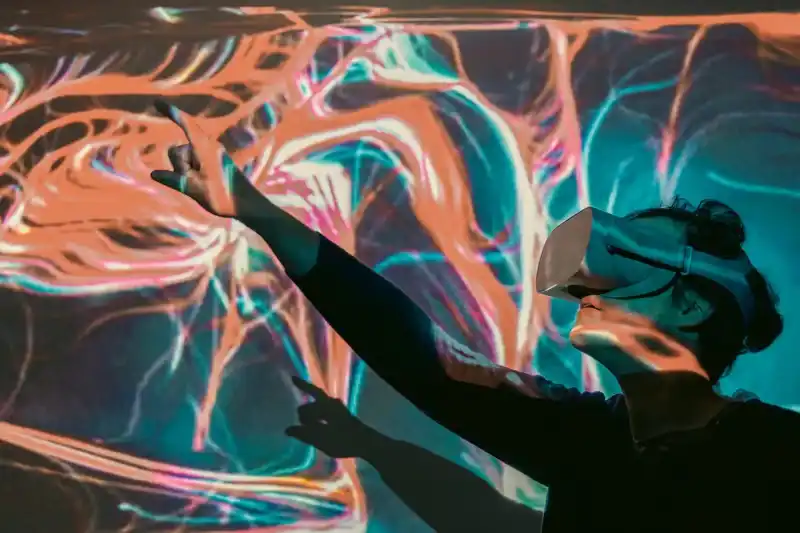
In the digital age, artists have embraced technology to enhance their installations. Virtual reality (VR), augmented reality (AR), and projection mapping are just a few tools that have been employed to create immersive experiences. For instance, the renowned artist Olafur Eliasson has used light and water to create mesmerizing installations that transform spaces and challenge perceptions.
Why Are Immersive Art Exhibits So Popular?
The popularity of immersive art exhibits can be attributed to several factors that resonate deeply with contemporary audiences. Here are some key reasons why these experiences have become a cultural phenomenon.
1. Engagement and Interactivity
One of the primary attractions of immersive art exhibits is the level of engagement they offer. In an era where attention spans are shorter than ever, audiences crave experiences that captivate their senses and encourage active participation. Immersive exhibits allow visitors to step beyond passive observation and become part of the artwork itself.
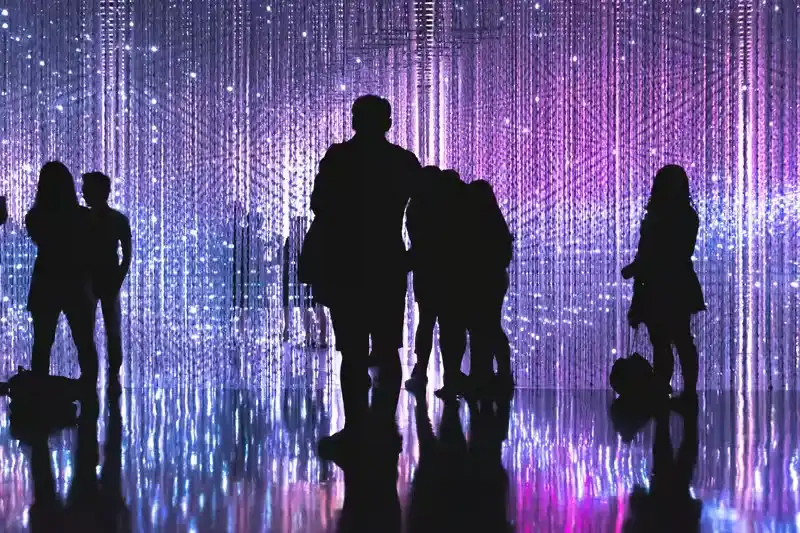
For example, the “TeamLab Borderless” exhibit in Tokyo encourages visitors to interact with digital installations that respond to their movements. As participants walk through the exhibit, their presence alters the visuals, creating a unique experience for each individual. This interactivity fosters a sense of connection and ownership, making the experience memorable.
2. Social Media Appeal
In today’s visually-driven digital landscape, social media plays a significant role in shaping trends and experiences. Immersive art exhibits are particularly well-suited for sharing on platforms like Instagram, TikTok, and Facebook. The vibrant colors, dynamic visuals, and unique settings of these exhibits make for eye-catching content that encourages users to share their experiences with friends and followers.
The “Katsushika Hokusai” exhibit, which features stunning projections of the famous Japanese artist’s work, has garnered massive attention on social media. Visitors flock to capture the breathtaking visuals, often resulting in viral posts that further fuel interest in the exhibit. This cycle of sharing not only boosts attendance but also creates a sense of community among art enthusiasts.
3. Escapism and Experience Economy
As the world becomes increasingly fast-paced and stressful, many individuals seek opportunities for escapism. Immersive art exhibits provide a respite from everyday life, allowing visitors to escape into a world of creativity and imagination. These experiences transport audiences to different realms, where they can lose themselves in the beauty of art and explore their emotions.
The experience economy, which prioritizes unique and memorable experiences over material possessions, has also contributed to the popularity of immersive exhibits. People are willing to invest in experiences that enrich their lives and create lasting memories. Immersive art exhibits fulfill this desire for meaningful engagement, making them a sought-after option for outings and events.
4. Accessibility and Inclusivity
Immersive art exhibits often prioritize accessibility and inclusivity, making art more approachable for diverse audiences. Traditional art spaces can sometimes feel intimidating, with unwritten rules about behavior and appreciation. In contrast, immersive exhibits invite individuals of all ages and backgrounds to engage with art in a relaxed setting.
For instance, many immersive experiences are designed to be family-friendly, allowing children to explore their creativity and curiosity. The “Immersive Van Gogh” exhibit often features activities for kids, such as coloring stations and interactive displays, making it a delightful outing for families. This inclusivity broadens the audience and encourages more people to appreciate art.
5. Cultural Exchange and Collaboration
Immersive art exhibits often involve collaboration between artists, technologists, and even cultural institutions. This collaborative spirit fosters innovation and creativity, resulting in unique experiences that transcend traditional art forms. Additionally, these exhibits often highlight diverse cultural perspectives, allowing audiences to engage with art from various backgrounds.
For example, the “Beyond Van Gogh” exhibit not only showcases Van Gogh’s work but also incorporates elements of storytelling that reflect the artist’s life and the cultural context of his time. This blend of art and narrative offers a richer understanding of the artist’s contributions and the world in which he lived.
The Impact of Immersive Art Exhibits
The rise of immersive art exhibits has significant implications for the art world and society as a whole. Here are a few key impacts worth exploring.
1. Redefining Art Spaces
Immersive art exhibits challenge traditional notions of galleries and museums. By transforming public spaces into immersive environments, these exhibits encourage a reimagining of how art is experienced and consumed. This shift has the potential to democratize art, making it more accessible to a broader audience.
2. Revitalizing Communities
Many cities have embraced immersive art exhibits as a means of revitalizing communities and attracting tourism. Pop-up exhibits and installations can breathe new life into underutilized spaces, bringing people together and fostering a sense of community. Cities like Los Angeles and New York have seen a surge in immersive experiences that not only boost local economies but also create vibrant cultural hubs.
3. Expanding Artistic Possibilities
The fusion of technology and art in immersive exhibits opens up new avenues for creative expression. Artists can experiment with interactive installations, virtual reality, and multimedia presentations, pushing the boundaries of what art can be. This evolution encourages innovation and inspires future generations of artists to explore new mediums.
4. Fostering Emotional Connections
Immersive art exhibits often evoke strong emotional responses, allowing visitors to connect with the artwork on a personal level. Whether it’s through the use of soundscapes, visual storytelling, or engaging narratives, these experiences can evoke feelings of joy, nostalgia, or introspection. By creating emotional connections, immersive exhibits encourage audiences to reflect on their own experiences and perspectives.
5. Bridging the Gap Between Art and Technology
The integration of technology in immersive art exhibits highlights the ongoing relationship between art and innovation. As artists continue to leverage technological advancements, the boundaries between disciplines blur, leading to exciting new possibilities. This collaboration fosters a culture of experimentation and creativity, encouraging both artists and audiences to embrace the future of art.
Conclusion
Immersive art exhibits represent a transformative shift in the way we experience and engage with art. By inviting audiences to step inside the artwork and actively participate, these exhibits create memorable experiences that resonate on multiple levels. Their popularity can be attributed to factors such as engagement, social media appeal, escapism, inclusivity, and cultural collaboration.
As we navigate an increasingly digital and fast-paced world, the allure of immersive art exhibits will likely continue to grow. They provide not only a means of escape but also an opportunity for connection, creativity, and cultural exchange. Whether you’re a seasoned art enthusiast or someone new to the scene, immersing yourself in these experiences can deepen your appreciation for art and its power to inspire.
FAQs about Immersive Art Exhibits
1. What are immersive art exhibits?
Immersive art exhibits are interactive installations that invite visitors to engage with art in a multi-sensory environment, often incorporating visual, auditory, and tactile elements.
2. Why have immersive art exhibits become so popular?
Their popularity stems from factors like enhanced engagement, social media appeal, opportunities for escapism, inclusivity, and cultural collaboration.
3. How do immersive exhibits differ from traditional art displays?
Unlike traditional displays that focus on passive observation, immersive exhibits encourage active participation and interaction with the artwork.