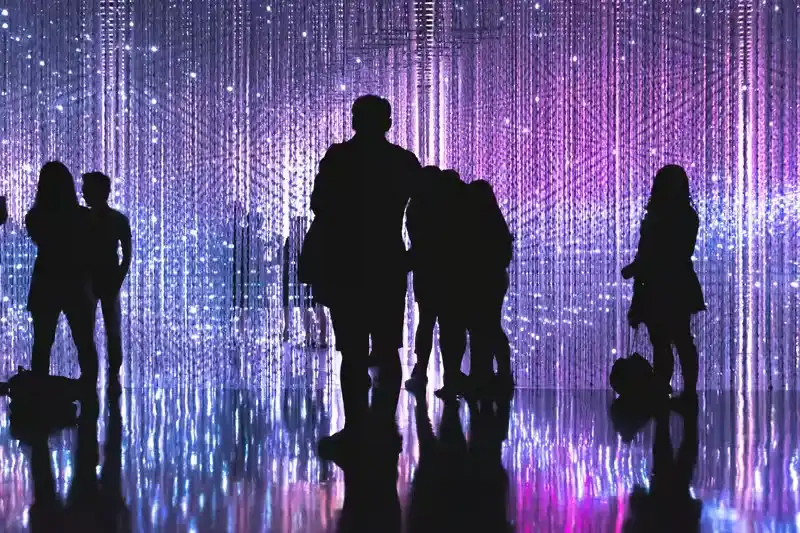
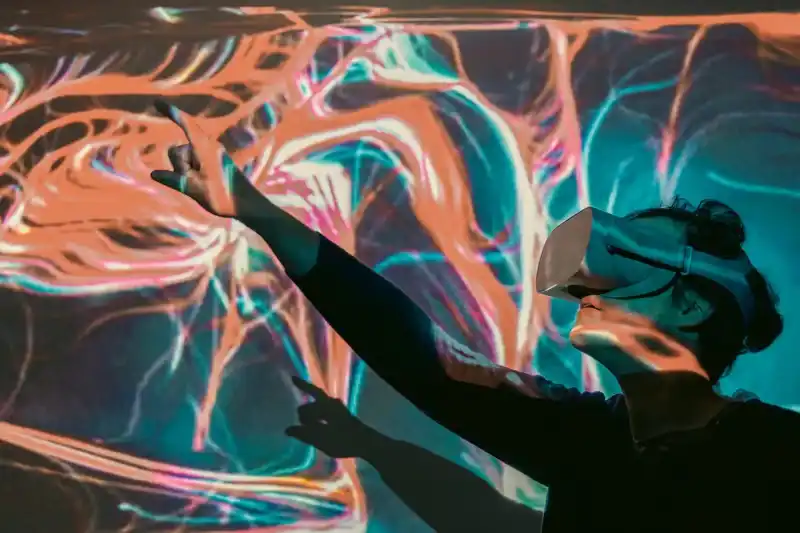
Art has always evolved alongside human imagination. From ancient cave paintings to Renaissance masterpieces and contemporary digital creations, artists continuously search for new ways to connect with audiences. In recent years, one of the most exciting developments in the cultural world has been the rise of immersive art exhibits. Unlike traditional galleries where visitors observe artwork from a distance, these experiences invite people to step inside the art itself, transforming spectators into active participants.
The popularity of immersive art exhibits has grown dramatically across the globe. Museums, cultural institutions, and independent creators are embracing technology, sound, light, projection mapping, and interactive storytelling to create experiences that engage multiple senses simultaneously. Visitors no longer simply look at art; they hear it, feel it, interact with it, and sometimes even become part of it.
As audiences increasingly seek memorable and shareable experiences, immersive installations have emerged as a powerful fusion of creativity, technology, and human connection. This article explores the evolution, appeal, benefits, and future of immersive art exhibits, revealing why they have become one of the most influential trends in modern culture.
What Are Immersive Art Exhibits?
At their core, immersive art exhibits are artistic environments designed to fully engage visitors through multiple sensory channels. Rather than displaying artwork on walls, these exhibitions surround participants with visual projections, soundscapes, lighting effects, digital interactions, and physical installations.
The goal is to create an environment where visitors feel emotionally and physically connected to the artwork. Instead of passively observing, they become active participants in a carefully crafted experience. This shift fundamentally changes how people interact with artistic expression.
Modern immersive art exhibits often combine traditional artistic principles with advanced technologies such as virtual reality, augmented reality, motion sensors, artificial intelligence, and large-scale projection systems. These innovations enable artists to create environments that continuously respond to audience behavior and movement.
The Evolution of Interactive Art
The journey toward today’s immersive art exhibits did not happen overnight. Artists have experimented with audience participation for decades. During the twentieth century, many creative movements challenged traditional notions of passive viewing by encouraging greater engagement between art and audience.
Installation art emerged as an important stepping stone. Rather than creating isolated objects, artists began designing environments that visitors could physically enter and explore. These installations emphasized space, atmosphere, and sensory perception.
Advances in digital technology accelerated this evolution significantly. High-definition projection systems, sophisticated audio equipment, and interactive software allowed artists to expand their creative possibilities. As a result, immersive art exhibits evolved into complex experiences capable of engaging visitors on emotional, intellectual, and sensory levels simultaneously.
Why Immersive Art Exhibits Have Become So Popular
The growing success of immersive art exhibits reflects broader changes in how people consume culture and entertainment. Modern audiences increasingly value experiences over possessions. They seek meaningful interactions that create lasting memories and emotional connections.
Social media has also contributed to the popularity of immersive experiences. Visually stunning environments naturally encourage photography and sharing, helping exhibitions reach global audiences through digital platforms. A single captivating installation can generate millions of online impressions and inspire widespread interest.
Another factor is accessibility. Traditional art galleries sometimes feel intimidating to newcomers, while immersive art exhibits often provide a more welcoming and inclusive environment. Visitors do not need extensive knowledge of art history to appreciate and enjoy the experience.
The Role of Technology in Immersive Art
Technology serves as the foundation for many contemporary immersive art exhibits. Advanced projection mapping can transform ordinary walls, floors, and ceilings into dynamic visual landscapes. Motion tracking systems enable installations to respond instantly to visitor movement.
Artificial intelligence is increasingly being used to create adaptive experiences that evolve based on audience interactions. Virtual reality environments allow visitors to enter entirely digital worlds, while augmented reality layers additional content onto physical spaces.
Despite these technological innovations, successful immersive art exhibits are not defined solely by their equipment. The most impactful experiences use technology as a tool to enhance storytelling, emotional engagement, and artistic expression rather than as an end in itself.
Multi-Sensory Engagement and Human Psychology
One reason immersive art exhibits resonate so strongly with audiences is their ability to engage multiple senses simultaneously. Psychological research suggests that experiences involving several sensory channels tend to be more memorable and emotionally impactful.
Visual stimulation remains important, but sound, touch, movement, and even scent can significantly enhance engagement. When visitors are surrounded by coordinated sensory elements, they become more deeply immersed in the artistic narrative.
This multi-sensory approach distinguishes immersive art exhibits from traditional gallery experiences. By engaging the entire body rather than just the eyes, these installations create stronger emotional connections and more lasting memories.
Storytelling Through Immersive Environments
Storytelling has always been central to artistic expression. What makes immersive art exhibits unique is their ability to place visitors directly inside a narrative rather than presenting it from a distance.
Artists can guide audiences through emotional journeys using carefully designed environments. Lighting changes, sound effects, interactive elements, and spatial design all contribute to the unfolding story. Visitors become participants rather than observers.
This narrative immersion helps explain why immersive art exhibits often generate powerful emotional responses. People are naturally drawn to stories, and immersive environments allow them to experience those stories in a deeply personal way.
Famous Examples of Immersive Art Exhibits
Several groundbreaking projects have helped popularize immersive art exhibits worldwide. Digital exhibitions inspired by the works of famous painters have attracted millions of visitors by transforming iconic artworks into large-scale interactive experiences.
Experiences based on artists such as Vincent van Gogh and Claude Monet have demonstrated how technology can introduce classical art to new audiences. Visitors walk through animated interpretations of famous paintings while surrounded by synchronized music and visual effects.
These successful projects highlight the versatility of immersive art exhibits and their ability to bridge the gap between traditional artistic heritage and contemporary digital culture.
Educational Benefits of Immersive Art Experiences
Beyond entertainment, immersive art exhibits offer significant educational value. Museums and educational institutions increasingly use immersive technologies to enhance learning and engagement.
Students often retain information more effectively when they actively participate in experiences rather than passively receiving information. Immersive environments can make historical events, scientific concepts, and artistic movements more accessible and memorable.
By transforming abstract ideas into tangible experiences, immersive art exhibits encourage curiosity and deeper understanding. This educational potential has contributed significantly to their growing adoption in cultural and academic settings.
How Artists Are Redefining Creativity
The rise of immersive art exhibits has expanded the definition of artistic practice. Contemporary creators frequently collaborate with programmers, engineers, architects, musicians, and designers to develop multidisciplinary projects.
This collaborative approach encourages innovation and experimentation. Artists are no longer limited to traditional mediums such as paint or sculpture. Instead, they can work with light, sound, data, and interactive technologies to create entirely new forms of expression.
As a result, immersive art exhibits represent not only a new way of experiencing art but also a new way of creating it.
The Impact on Museums and Cultural Institutions
Museums worldwide have embraced immersive art exhibits as a strategy for attracting diverse audiences. Traditional institutions recognize that interactive experiences can increase visitor engagement and broaden accessibility.
Many museums now integrate digital installations alongside conventional collections. This approach allows them to preserve historical artifacts while offering contemporary experiences that appeal to younger generations.
The success of immersive art exhibits demonstrates that innovation and tradition can coexist. Rather than replacing conventional galleries, immersive experiences often complement and enhance them.
The Connection Between Immersion and Emotional Response
One of the defining characteristics of immersive art exhibits is their ability to evoke strong emotional reactions. By surrounding visitors with carefully designed sensory environments, artists can create feelings of wonder, nostalgia, excitement, reflection, or empathy.
Emotional engagement plays a crucial role in how people remember experiences. Studies suggest that emotionally charged events are more likely to leave lasting impressions and inspire meaningful reflection.
This emotional dimension helps explain why many visitors describe immersive art exhibits as transformative rather than merely entertaining.
Challenges Facing Immersive Art Exhibits
Despite their popularity, immersive art exhibits face several challenges. High production costs can limit accessibility for smaller institutions and independent artists. Advanced technologies require significant investment, maintenance, and technical expertise.
Some critics argue that visual spectacle can sometimes overshadow artistic substance. Creating meaningful content that balances technological innovation with conceptual depth remains an important consideration.
Nevertheless, many artists and institutions continue refining their approaches, ensuring that immersive art exhibits maintain artistic integrity while embracing new possibilities.
The Future of Immersive Art Exhibits
The future of immersive art exhibits appears exceptionally promising. Emerging technologies such as artificial intelligence, mixed reality, haptic feedback systems, and spatial computing will likely expand creative possibilities even further.
Future experiences may become increasingly personalized, adapting dynamically to individual visitor preferences and behaviors. Greater integration between physical and digital environments could create entirely new forms of artistic interaction.
As technology becomes more accessible, immersive art exhibits are expected to become even more widespread, influencing not only museums but also education, entertainment, tourism, and public spaces.
Conclusion
The rise of immersive art exhibits represents one of the most exciting developments in contemporary culture. By combining creativity, technology, storytelling, and sensory engagement, these experiences redefine how people interact with art.
Their popularity reflects a growing desire for meaningful, memorable, and participatory experiences that go beyond traditional forms of cultural consumption. Whether inspiring wonder, encouraging reflection, or fostering education, immersive environments offer powerful opportunities for connection and discovery.
As artists and institutions continue pushing creative boundaries, immersive art exhibits are poised to play an increasingly important role in shaping the future of artistic expression and audience engagement.
Frequently Asked Questions
What are immersive art exhibits?
Immersive art exhibits are interactive artistic experiences designed to engage visitors through multiple senses. They often use technology such as projection mapping, sound design, digital installations, and interactive elements to create environments where audiences actively participate rather than simply observe artwork.
Why are immersive art exhibits so popular?
Immersive art exhibits are popular because they provide engaging, memorable experiences that combine entertainment, creativity, and participation. Visitors enjoy becoming part of the artwork, while social media sharing and technological innovation have further increased public interest and global visibility.
How do immersive art exhibits use technology?
Immersive art exhibits frequently utilize projection mapping, virtual reality, augmented reality, motion sensors, artificial intelligence, and spatial audio systems. These technologies help create dynamic environments that respond to visitor interactions and enhance storytelling through multi-sensory engagement.
Are immersive art exhibits educational?
Yes, immersive art exhibits often have significant educational value. They help visitors understand artistic concepts, historical events, and cultural narratives through interactive learning experiences. Research suggests that active participation improves engagement, comprehension, and long-term information retention.
What is the future of immersive art exhibits?
The future of immersive art exhibits includes greater personalization, advanced artificial intelligence integration, mixed reality environments, and increasingly interactive experiences. As technology evolves, artists will gain new tools to create innovative forms of storytelling and audience engagement across cultural institutions worldwide.