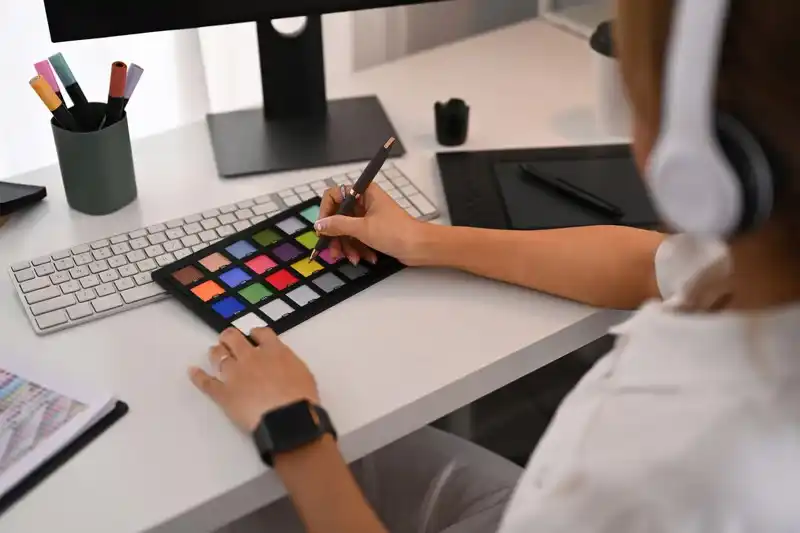
In today’s highly competitive creative industry, talent alone is no longer enough to stand out. Artists must present their work professionally, communicate their unique style clearly, and make it easy for potential clients, employers, and collaborators to evaluate their skills. This is where a strong digital artist portfolio becomes essential. More than just a collection of artwork, a portfolio serves as a visual resume, personal brand, and marketing tool that can significantly influence career opportunities.
The modern creative economy is increasingly digital. Whether working in illustration, concept art, graphic design, animation, game development, digital painting, or visual effects, artists are expected to showcase their work online. Industry research consistently shows that recruiters and clients often make initial decisions within minutes of viewing a portfolio. A well-structured digital artist portfolio can create a strong first impression and open doors to projects, freelance opportunities, and full-time positions.
Building a successful portfolio requires more than uploading images to a website. It involves strategic presentation, thoughtful curation, storytelling, and continuous improvement. Artists who invest time in developing a compelling digital artist portfolio position themselves for long-term success in an increasingly competitive creative landscape.
What Is a Digital Artist Portfolio?
A digital artist portfolio is a curated collection of creative work presented online to showcase an artist’s abilities, style, experience, and professional identity. It serves as a central hub where potential clients, employers, galleries, and collaborators can evaluate artistic skills and creative achievements.
Unlike traditional physical portfolios, digital portfolios provide global accessibility. Anyone with internet access can explore an artist’s work regardless of geographic location. This accessibility significantly expands professional opportunities and audience reach.
A professional digital artist portfolio typically includes completed projects, personal artwork, client commissions, case studies, artist statements, contact information, and sometimes testimonials. Together, these elements help visitors understand both the quality of the work and the person behind it.
Why Every Digital Artist Needs a Portfolio
The importance of a strong digital artist portfolio cannot be overstated. In many creative industries, portfolios carry more weight than resumes or academic credentials. Employers and clients want direct evidence of artistic capability before making hiring decisions.
A portfolio demonstrates technical skills, creative problem-solving abilities, artistic growth, and consistency. It allows artists to showcase strengths that might be difficult to communicate through text alone. For freelance professionals, the portfolio often functions as the primary marketing tool.
Today’s digital-first environment makes maintaining a professional digital artist portfolio essential for career growth. Artists without a portfolio may struggle to establish credibility or compete effectively within their chosen fields.
Understanding Your Target Audience
Before building a digital artist portfolio, it is important to identify the intended audience. Different industries value different skills, presentation styles, and project types. A game studio may prioritize concept art and character design, while an advertising agency may focus on branding and visual communication.
Understanding audience expectations helps artists make strategic decisions about which projects to include. A carefully targeted portfolio demonstrates professionalism and industry awareness.
The most effective digital artist portfolio is not necessarily the largest. Instead, it is curated specifically to appeal to the people most likely to offer relevant opportunities.
Selecting the Right Work for Your Portfolio
One of the most challenging aspects of creating a digital artist portfolio is deciding what to include. Many artists feel tempted to showcase every project they have ever completed, but quality is far more important than quantity.
Industry professionals often recommend featuring only the strongest and most relevant work. Every piece should contribute to the overall impression of skill, creativity, and professionalism. Weak or outdated projects can reduce the impact of stronger work.
A successful digital artist portfolio presents a cohesive collection that highlights artistic strengths while demonstrating versatility and growth. Each project should reinforce the artist’s professional identity and creative vision.
Creating a Strong First Impression
First impressions matter tremendously in the creative industry. Research suggests that website visitors form opinions within seconds of arriving on a page. This reality makes homepage design especially important for any digital artist portfolio.
Visitors should immediately understand who the artist is, what type of work they create, and how to navigate the portfolio. Clean layouts, intuitive navigation, and professional presentation contribute to a positive user experience.
A polished digital artist portfolio communicates confidence and professionalism from the moment visitors arrive. Strong visual presentation encourages them to explore further and engage with the artist’s work.
The Importance of Personal Branding
Personal branding plays a significant role in the success of a digital artist portfolio. Beyond displaying artwork, a portfolio should communicate the artist’s unique perspective, creative philosophy, and professional identity.
Consistency in visual design, typography, color schemes, and messaging helps strengthen brand recognition. A memorable personal brand differentiates artists from competitors and makes their work more recognizable.
The most successful creative professionals often use their digital artist portfolio as a platform for building a distinctive reputation that resonates with their target audience.
Showcasing Process Alongside Final Results
Many clients and employers are interested not only in finished artwork but also in the creative process behind it. Including sketches, concept development, iterations, and project breakdowns can significantly strengthen a digital artist portfolio.
Process documentation demonstrates problem-solving abilities, technical understanding, and creative thinking. It provides valuable insight into how the artist approaches challenges and develops ideas.
By showcasing both journey and outcome, a digital artist portfolio becomes more engaging and informative. Visitors gain a deeper appreciation for the artist’s expertise and workflow.
Writing Effective Project Descriptions
Strong visuals are essential, but written content also contributes significantly to a successful digital artist portfolio. Project descriptions help provide context, explain objectives, and highlight specific contributions.
A well-written description should explain the project’s purpose, challenges, creative decisions, and outcomes. This information helps viewers understand the artist’s role and thought process.
Combining compelling visuals with informative descriptions transforms a digital artist portfolio from a simple gallery into a comprehensive professional presentation.
Choosing the Right Portfolio Platform
The platform used to host a digital artist portfolio can influence both user experience and professional perception. Artists have access to numerous options, including personal websites, portfolio builders, and creative networking platforms.
A dedicated website often provides the greatest flexibility and branding control. It allows artists to customize design, optimize search visibility, and create a unique online presence.
Regardless of platform choice, a professional digital artist portfolio should load quickly, function smoothly on mobile devices, and provide an intuitive browsing experience.
SEO and Discoverability for Artists
Search engine optimization is becoming increasingly important for creative professionals. A well-optimized digital artist portfolio can attract organic traffic from potential clients searching for specific artistic services.
Strategic use of keywords, descriptive image names, optimized metadata, and relevant content helps improve visibility in search results. Artists who understand basic SEO principles gain a competitive advantage.
An optimized digital artist portfolio not only showcases talent but also improves the likelihood of being discovered by new audiences and opportunities.
Building Trust Through Testimonials and Social Proof
Trust is a critical factor in professional decision-making. Including testimonials, client feedback, awards, and recognition can significantly enhance the credibility of a digital artist portfolio.
Social proof reassures potential clients and employers that others have had positive experiences working with the artist. It reinforces perceptions of professionalism, reliability, and expertise.
A trustworthy digital artist portfolio combines strong creative work with evidence of successful professional relationships and industry recognition.
Keeping Your Portfolio Updated
A portfolio should never remain static. Regular updates ensure that a digital artist portfolio accurately reflects current skills, interests, and professional achievements.
Creative industries evolve rapidly, and artists continually develop new techniques and capabilities. Outdated work may no longer represent an artist’s best abilities or career direction.
Maintaining a current digital artist portfolio demonstrates ongoing growth, adaptability, and commitment to professional development.
Common Mistakes to Avoid
Many artists unintentionally weaken their digital artist portfolio through common mistakes. Overcrowded galleries, inconsistent quality, confusing navigation, and excessive visual clutter can distract from the artwork itself.
Another frequent issue is neglecting mobile optimization. Since many visitors browse portfolios on smartphones and tablets, responsive design is essential.
Avoiding these pitfalls helps ensure that a digital artist portfolio presents work clearly and professionally while maximizing user engagement.
Future Trends in Digital Artist Portfolios
The future of the digital artist portfolio is being shaped by emerging technologies and changing audience expectations. Interactive experiences, immersive presentations, artificial intelligence, and virtual reality may become increasingly common portfolio features.
Creative professionals are also exploring personalized experiences that adapt to visitor interests and preferences. These innovations have the potential to transform how artists showcase their work online.
As technology continues evolving, the digital artist portfolio will likely become even more dynamic, interactive, and engaging.
Conclusion
A well-crafted digital artist portfolio is one of the most valuable assets a creative professional can possess. It serves as a showcase, marketing tool, personal brand, and gateway to career opportunities. In an increasingly competitive digital landscape, artists who present their work strategically gain significant advantages.
From selecting the right projects and building a strong personal brand to optimizing for search visibility and maintaining professional credibility, every element contributes to portfolio success. The most effective portfolios combine artistic excellence with thoughtful presentation and clear communication.
As creative industries continue evolving, investing in a high-quality digital artist portfolio remains one of the smartest decisions any artist can make. It not only highlights talent but also demonstrates professionalism, ambition, and readiness for future opportunities.
Frequently Asked Questions
What is a digital artist portfolio?
A digital artist portfolio is an online collection of artwork, projects, and creative achievements that showcases an artist’s skills, style, and experience. It serves as a professional presentation tool used by clients, employers, collaborators, and galleries to evaluate artistic abilities and determine potential opportunities.
Why is a digital artist portfolio important?
A digital artist portfolio is important because it provides direct evidence of artistic skills and professional capabilities. It helps artists attract clients, secure employment opportunities, build credibility, and establish a personal brand. In many creative industries, portfolios carry greater importance than traditional resumes.
What should be included in a digital artist portfolio?
A strong digital artist portfolio should include high-quality artwork, project descriptions, process documentation, artist information, contact details, and relevant achievements. The selected work should reflect the artist’s strengths, professional goals, and creative identity while demonstrating consistency and technical competence.
How often should a digital artist portfolio be updated?
A digital artist portfolio should be reviewed and updated regularly, ideally every few months. New projects, improved skills, client work, and professional accomplishments should be added while outdated or weaker pieces are removed to ensure the portfolio accurately represents current capabilities.
Can SEO help a digital artist portfolio attract more clients?
Yes, SEO can significantly improve the visibility of a digital artist portfolio. Optimizing keywords, image descriptions, metadata, and website structure helps search engines understand the content. Better search visibility increases the chances of attracting potential clients, employers, and collaborators online.